





Sports & Fitness Promotional Products
Performance-Driven Branded Sports Gear That Moves with Your Audience
Traditional promotional products rely on static placement—they sit in one environment and are seen only within that context. Branded sports and fitness products aim for something far more kinetic: they become part of the user’s personal best. Defined by movement, energy, and high-intensity use, this active relationship makes fitness gear one of the most psychologically powerful categories in branded merchandise today.
In a market increasingly focused on health-consciousness and the "active commute," a brand that facilitates a workout is a brand that supports a lifestyle. When an organisation provides high-spec performance apparel, leak-proof protein shakers, or ergonomic gym bags, it isn't just distributing a logo—it is endorsing a commitment to well-being. This transforms the item from a giveaway into a functional partner in the user’s fitness journey.
The true strength of the sports category lies in its associative power. Whether it’s a high-wicking running shirt worn at a weekend 5K or a premium vacuum-insulated water bottle used during a high-intensity training session, the brand is present during moments of achievement and focus. These are positive, endorphin-linked touchpoints that occur when the user is at their most motivated.
For organisations across corporate wellness, education, and professional services, sports promotional products offer more than just visibility. They demonstrate an active investment in people, encourage healthy habits, and embed the brand into the high-energy environments where peak performance happens.
Unlike static merchandise, branded fitness gear connects your logo with movement, health, and personal achievement, turning high-quality products into active lifestyle partners.
Learn about corporate wellness and brand impact
Providing high-spec performance apparel or ergonomic gym bags shows an investment in your audience's well-being. It moves your brand from a simple giveaway into the user's active life.
The Endorphin Effect: In the premium sports category, your logo is present during key moments of focus and success, creating powerful, positive brand associations that traditional media cannot replicate.


1-liter bottle with capacity print to encourage da Cisto
1-liter water bottle with capacity markings to encourage daily water consumption. Gradient design and safety lock cap. Convenient carrying strap.


1-liter bottle with capacity print to encourage da Cisto
1-liter water bottle with capacity markings to encourage daily water consumption. Gradient design and safety lock cap. Convenient carrying strap.


1-liter bottle with capacity print to encourage da Cisto
1-liter water bottle with capacity markings to encourage daily water consumption. Gradient design and safety lock cap. Convenient carrying strap.


1000 ml Glass Bottle with neoprene Sleeve
Leakproof Drinking Bottle made from Glass with neoprene Sleeve, Loop and a capacity of 1000 ml. Your Logo will be printed onto the Sleeve.


1000 ml Glass Bottle with neoprene Sleeve
Leakproof Drinking Bottle made from Glass with neoprene Sleeve, Loop and a capacity of 1000 ml. Your Logo will be printed onto the Sleeve.


1000 ml Glass Bottle with neoprene Sleeve
Leakproof Drinking Bottle made from Glass with neoprene Sleeve, Loop and a capacity of 1000 ml. Your Logo will be printed onto the Sleeve.


1000 ml Glass Bottle with neoprene Sleeve
Leakproof Drinking Bottle made from Glass with neoprene Sleeve, Loop and a capacity of 1000 ml. Your Logo will be printed onto the Sleeve.


1000 ml Glass Bottle with neoprene Sleeve
Leakproof Drinking Bottle made from Glass with neoprene Sleeve, Loop and a capacity of 1000 ml. Your Logo will be printed onto the Sleeve.


1000 ml Glass Bottle with neoprene Sleeve
Leakproof Drinking Bottle made from Glass with neoprene Sleeve, Loop and a capacity of 1000 ml. Your Logo will be printed onto the Sleeve.


1000 ml Glass Bottle with neoprene Sleeve
Leakproof Drinking Bottle made from Glass with neoprene Sleeve, Loop and a capacity of 1000 ml. Your Logo will be printed onto the Sleeve.


1000 ml Glass Bottle with neoprene Sleeve
Leakproof Drinking Bottle made from Glass with neoprene Sleeve, Loop and a capacity of 1000 ml. Your Logo will be printed onto the Sleeve.


1000 ml Glass Bottle with neoprene Sleeve
Leakproof Drinking Bottle made from Glass with neoprene Sleeve, Loop and a capacity of 1000 ml. Your Logo will be printed onto the Sleeve.


1000 ml Glass Bottle with neoprene Sleeve
Leakproof Drinking Bottle made from Glass with neoprene Sleeve, Loop and a capacity of 1000 ml. Your Logo will be printed onto the Sleeve.


1000 ml Glass Bottle with neoprene Sleeve
Leakproof Drinking Bottle made from Glass with neoprene Sleeve, Loop and a capacity of 1000 ml. Your Logo will be printed onto the Sleeve.
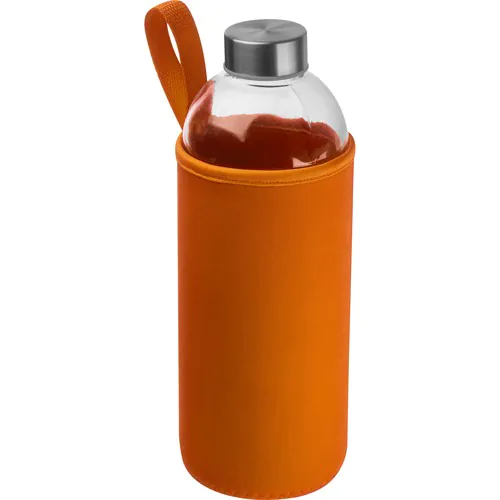

1000 ml glass bottle with neoprene sleeve
Leakproof drinking bottle, made out of glass, with neoprene sleeve, loop and a capacity of 1.000 ml. Your logo will be printed on the sleeve.
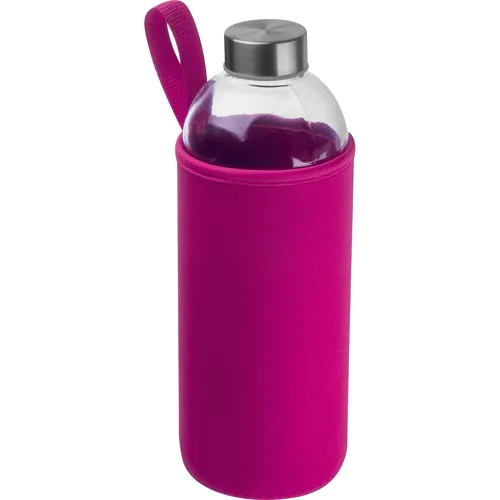

1000 ml glass bottle with neoprene sleeve
Leakproof drinking bottle, made out of glass, with neoprene sleeve, loop and a capacity of 1.000 ml. Your logo will be printed on the sleeve.
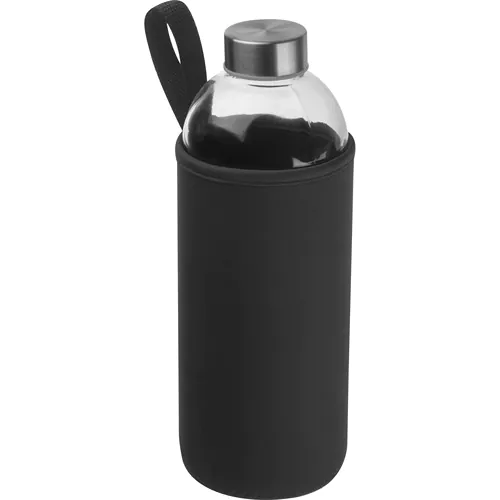

1000 ml glass bottle with neoprene sleeve
Leakproof drinking bottle, made out of glass, with neoprene sleeve, loop and a capacity of 1.000 ml. Your logo will be printed on the sleeve.
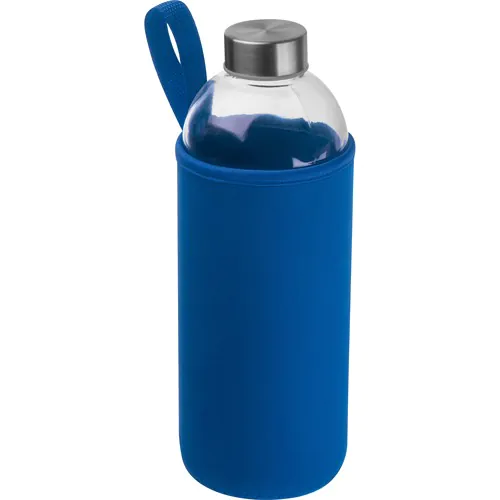

1000 ml glass bottle with neoprene sleeve
Leakproof drinking bottle, made out of glass, with neoprene sleeve, loop and a capacity of 1.000 ml. Your logo will be printed on the sleeve.
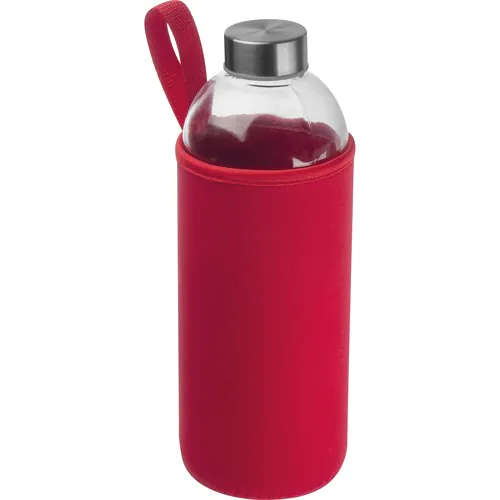

1000 ml glass bottle with neoprene sleeve
Leakproof drinking bottle, made out of glass, with neoprene sleeve, loop and a capacity of 1.000 ml. Your logo will be printed on the sleeve.
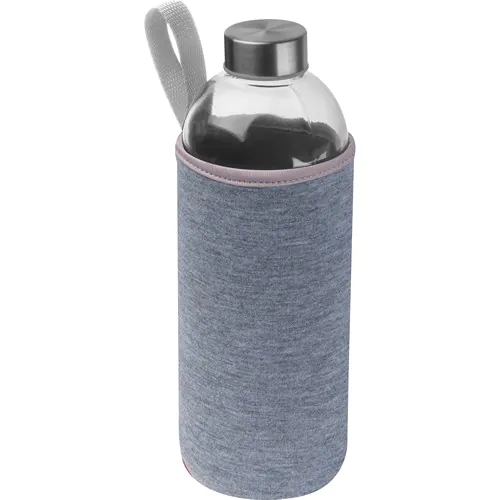

1000 ml glass bottle with neoprene sleeve
Leakproof drinking bottle, made out of glass, with neoprene sleeve, loop and a capacity of 1.000 ml. Your logo will be printed on the sleeve.
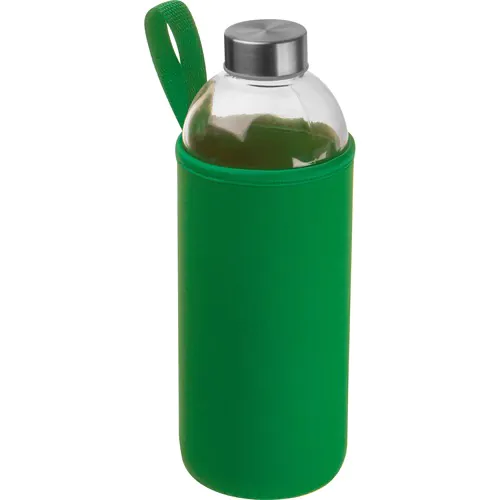

1000 ml glass bottle with neoprene sleeve
Leakproof drinking bottle, made out of glass, with neoprene sleeve, loop and a capacity of 1.000 ml. Your logo will be printed on the sleeve.
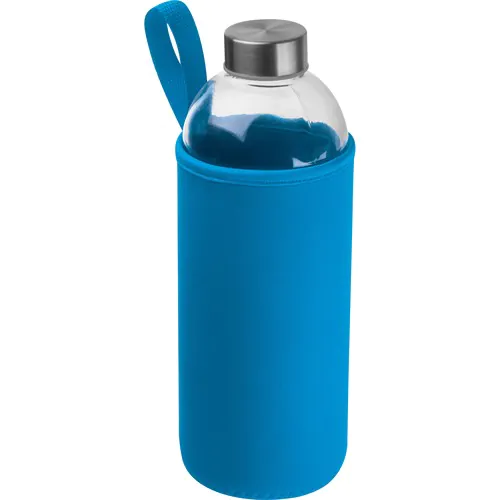

1000 ml glass bottle with neoprene sleeve
Leakproof drinking bottle, made out of glass, with neoprene sleeve, loop and a capacity of 1.000 ml. Your logo will be printed on the sleeve.
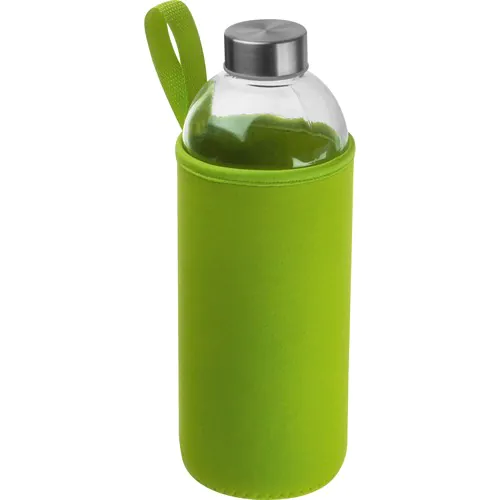

1000 ml glass bottle with neoprene sleeve
Leakproof drinking bottle, made out of glass, with neoprene sleeve, loop and a capacity of 1.000 ml. Your logo will be printed on the sleeve.
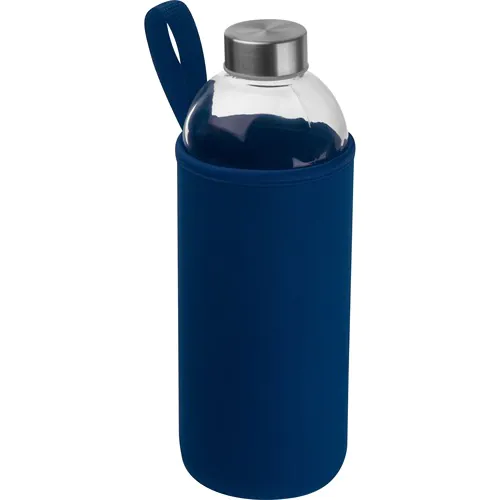

1000 ml glass bottle with neoprene sleeve
Leakproof drinking bottle, made out of glass, with neoprene sleeve, loop and a capacity of 1.000 ml. Your logo will be printed on the sleeve.
Flexibility to be Seen in Motion
Sports and fitness gear operates by a different set of rules. These aren't stationary objects—they are companions in a user’s journey, traveling through the diverse landscapes of a daily routine.
- A sports bottle travels from the gym to even events and conferences.
- A gym bag moves between home, office and training.
- A piece of performance apparel is worn in public, in motion, in shared environments.
This mobility expands the reach of the product far beyond a single location. Instead of being confined to one setting, the brand is exposed across multiple touchpoints—often to different audiences throughout the day. There is also a behavioural advantage. These products are used during moments of activity, where engagement is naturally higher. Unlike passive environments, where attention is divided, fitness-related activities demand focus. This creates stronger, more memorable associations with the product.
In this category, visibility is not just about frequency. It is about context, energy and movement—all of which contribute to deeper brand recall.
Unlike stationary items, sports and fitness gear moves through your audience's daily routine, gaining visibility across multiple public spaces.
See everyday examples and impact
- A sports bottle goes from workouts to corporate events.
- A gym bag connects home, work, and training spaces.
- Performance apparel showcases your brand in high-energy public environments.
Because sports gear is used during moments of high focus, it bypasses divided attention and links your logo with positive, health-oriented memories.

From Equipment to Lifestyle: The Rise of Performance-Led Branding
Sports and fitness products have evolved far beyond their original utility. What was once considered simple gym equipment has become part of a broader lifestyle language — one that signals intent, discipline, and personal standards.
Fitness today is no longer an isolated activity. It is integrated into the rhythm of daily life — from the morning run and the active commute to lunchtime HIIT sessions and evening recovery rituals. The products people use are no longer confined to a single setting; they move fluidly between environments, mirroring the way modern routines are structured.
This evolution has shifted how these products are perceived. They are no longer just tools — they are extensions of identity. A well-designed piece of branded fitness gear does more than serve a function; it communicates something about the person using it. It signals commitment, awareness, and a degree of intentionality in how they approach their day. In this sense, the product becomes a quiet but visible indicator of personal standards.
For organisations, this creates a powerful positioning opportunity. By aligning with sports and fitness products, brands place themselves alongside values that are actively pursued, not passively observed. Discipline, consistency, health, and ambition are not abstract ideas — they are behaviours that are reinforced daily. This moves the product beyond utility and into relevance. The brand is no longer attached to a single moment of interaction — it becomes part of an ongoing narrative about how people choose to live, perform, and progress.
What was once just basic gym equipment has evolved into a lifestyle statement that signals discipline, health, and high personal standards.
Read about lifestyle integration and brand alignment
Modern fitness integrates into daily routines, moving from morning runs to work commutes. High-quality branded gear becomes an extension of the user's identity and an indicator of their daily commitments.
Strategic Value: Aligning your brand with fitness connects your logo with active values like consistency, health, and progress, embedding your identity into your audience's personal growth story.

Built for Repetition
In the sports and fitness category, effectiveness is not driven by novelty or first impressions, but by sustained presence. The most valuable products are those that remain in circulation — moving consistently across environments and maintaining relevance over time.
Hydration products such as sports bottles and protein shakers perform strongly because they are tied to a fundamental need. They are used daily, often multiple times, and rarely left behind. Their constant movement — from home to office to gym — creates a rhythm of exposure that feels natural rather than forced.
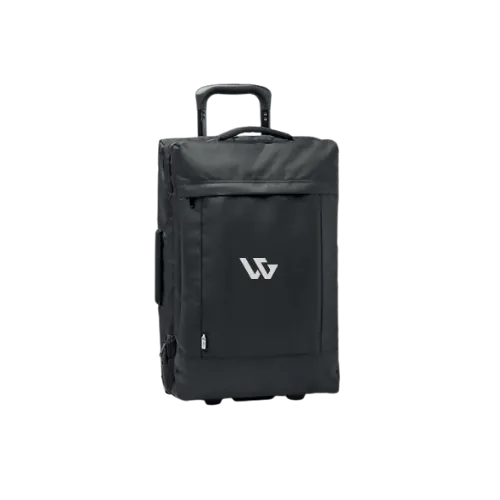
Sports bags extend this visibility by acting as transitional items. They move with the user across different parts of the day, bridging professional and personal environments. This creates a broader footprint for the brand, one that is not confined to a single context.
Fitness accessories add another layer of interaction. Towels, resistance bands and training tools are used during moments of focus and exertion. These are high-engagement touchpoints, where the user is actively involved, reinforcing a stronger connection with the product.
Wearable items amplify this effect further. Apparel introduces visibility within shared spaces — gyms, classes, outdoor routes — where the brand is seen by others in motion. This shifts exposure from individual use to collective visibility. What makes these products effective is not just frequency, but continuity. They move, they return, and they reappear creating a pattern of exposure that builds familiarity over time.
The best fitness merchandise drives impact through continuity, moving seamlessly between daily routines and high-intensity workouts to build natural, long-term brand familiarity.
Explore high-frequency product categories
Hydration: Items like sports bottles and protein shakers address fundamental needs, generating multiple natural brand exposures every single day.
Transit & Gear: Durable sports bags act as mobile billboards bridging professional and gym environments.
Accessories & Apparel: High-engagement fitness accessories including towels and resistance bands capture user focus during intense training, while sportswear provides collective public visibility.
Designing Gear That Performs Under Pressure
Aligning your brand with sports and fitness products requires a different mindset. These products are not used occasionally — they are subjected to repeated movement, stress, and environmental variation. This raises the expectation for both performance and reliability.
Functionality remains the starting point, but it is no longer enough for a product to simply work — it must work consistently under pressure. A bottle that leaks or a bag that becomes uncomfortable after repeated use quickly disrupts the experience, breaking the connection between product and routine.
Material selection becomes a critical factor in this context. Products are exposed to sweat, friction, temperature changes, and frequent handling. Materials that can withstand these conditions without degradation contribute directly to long-term retention and continued use.
There is also an experiential dimension to consider. In active environments, small details — grip, weight, texture, balance — influence how a product is perceived. Items that feel intuitive and well-designed are more likely to be used repeatedly, while those that feel awkward or poorly constructed are gradually phased out.
Branding, in this category, sits within this ecosystem. While there is more freedom for visibility due to the public nature of use, it still needs to align with design integrity. The most effective products feel considered as a whole — where branding is integrated, not applied. Ultimately, designing for movement means designing for continuity. The product must not only perform once, but perform repeatedly, without friction.
Fitness gear faces extreme stress from movement, sweat, and friction. To protect your brand reputation, these products must be engineered to perform consistently under pressure.
Learn about materials, design details, and branding
Durability First: High-grade materials prevent degradation from temperature changes and regular washing, ensuring the product stays in the user's daily rotation.
Ergonomics & Tactility: Micro-details like grip, weight, and balance determine whether an item is used long-term or quickly discarded.
Seamless Branding: High-impact sports gear avoids cheap, stamped-on graphics. Logos should be seamlessly integrated into the product's overall design aesthetic.


Extra thin 15W charging base, in recycled aluminum, customizable with mirror logo.


Transparent 15W induction base in acrylic, customisable with an LED logo.


15W MagSafe charger in recycled aluminum, customizable with LED logo.


15W wireless charging base made with PU-leather and ABS with soft-touch finishing, and customizable with a ligthing logo.


15W wireless charging base made with ABS soft-touch and acrylic customizable with an offset ligthing logo. Thanks to the acrylic plate and the offset printing, this base offers a high-quality digital logo.


15W wireless charging base made with metal and acrylic customizable with an offset ligth-up logo. Thanks to the acrylic plate and the offset printing, this base offers a high-quality digital logo.


15W wireless charging base made with bamboo and acrylic customizable with an offset ligthing logo. Thanks to the acrylic plate and the offset printing, this base offers a high-quality digital logo.


Exclusive and transparent wireless charging base.
From Product to Performance Ritual
The real value of sports and fitness promotional products lies in their ability to integrate into routine. A typical fitness routine is made up of multiple stages — preparation, activity, and recovery. Each stage creates a moment of interaction with the product, forming a sequence rather than a single point of contact.
Over time, this sequence evolves into a ritual. The product is no longer something that is consciously chosen — it becomes something that is expected. It is reached for automatically, used without hesitation, and incorporated into a pattern of behaviour that repeats over days, weeks, and months.
This transforms the role of the product. It is no longer associated with the moment it was received, but with the actions that follow. The brand becomes part of a cycle of effort, progress, and consistency. In this context, familiarity is built through repetition, not recall. The brand is not remembered — it is experienced, again and again, within moments that carry personal significance.
From a commercial perspective, the sports and fitness category offers a distinct advantage in how value is generated over time. This shifts the way ROI should be considered. Rather than focusing solely on upfront cost, it becomes more meaningful to assess how long the product remains in use and how often it is engaged with.
This makes the category particularly effective for organisations investing in longer-term engagement strategies. Whether through wellness initiatives, lifestyle campaigns, or experiential activations, the product continues to deliver value beyond the initial moment. The result is a more sustained return — one that is built on consistency rather than scale alone.
The true power of fitness merchandise lies in behavioral integration. A branded product moves from a conscious choice to an automatic daily ritual across preparation, activity, and recovery.
Learn about routine integration and long-term ROI
The Ritual Effect: Instead of being tied to the day it was given, your brand becomes associated with personal milestones, effort, and consistency, building deep familiarity through repeated physical experience.
Rethinking ROI: In this category, marketing return is measured by long-term product lifecycle and daily engagement frequency rather than low upfront unit costs.
This makes sports gear the ideal choice for corporate wellness initiatives and lifestyle campaigns requiring sustained, high-value brand equity.
Where Movement Meets Strategy
The adaptability of sports and fitness promotional products allows them to operate across a wide range of industries, each with its own context and objectives.
In corporate environments, these products are increasingly aligned with a broader shift towards workplace wellbeing. Large organisations are no longer viewing fitness as a personal activity, but as a critical part of the overall employee experience. Companies such as LEGO, Apple, and Google have invested heavily in on-site wellness facilities, recognising that physical wellbeing directly impacts productivity, engagement, and retention.
This shift is supported by global workplace research. According to Deloitte’s human capital insights, organisations are increasingly prioritising "human performance" and wellbeing as a core driver of long-term business success — reinforcing the idea that when people thrive, performance follows. In this context, sports and fitness products become extensions of that environment, supporting a healthy ecosystem.
In education, they contribute to identity and community. Sports gear becomes part of shared experiences — events, teams, and activities — strengthening student engagement and participation. Within events and experiential campaigns, these products play an active role; they are used as part of the experience itself, making the audience a dynamic part of the brand narrative.
Across all these applications, the unifying factor is movement. When a product aligns with how people move through their day — physically and behaviourally — it becomes more than an object. It becomes part of the experience itself.
Branded sports products are highly adaptable tools that connect corporate strategy, education, and live events with the active daily routines of your target audience.
Explore industry-specific applications
Corporate Wellness: Tech giants like Google and Apple treat fitness as part of the workspace. According to Deloitte, prioritizing "human performance" directly drives retention, turning fitness gear into vital workplace tools.
Education & Community: Teamwear and sports accessories build institutional identity and encourage active participation during shared events.
Live Events: Products are integrated into physical activations, turning passive observers into active co-creators of the brand story.

Keep the Momentum: Build a High-Performance Brand Suite
Impact in the sports and fitness category is rarely achieved through a single product. Real momentum is built as a session unfolds—from the first rep to the final stretch—and the gear must follow that rhythm. What begins with a branded water bottle or a simple training accessory quickly expands into a more dynamic ecosystem: professional fitness and bodybuilding tools that push intensity, custom sports balls that drive team movement, and even social formats like pétanque sets where competition meets community.
The reach of your brand should move as fast as your audience does. From the high-energy focus of aquatic sports to the endurance of bike accessories and the quiet precision of golf gear, every touchpoint offers a new environment for exposure. Even the smallest miscellaneous fitness items play a critical role, filling the gap between effort, recovery, and the next repeat.
This is where true brand equity is built. Not in a single giveaway, but in a cohesive suite of performance-led promotional products that work together across different settings and speeds. Your brand shouldn’t just show up for the workout; it should keep up with the lifestyle. Explore our full range of branded sports equipment today and build a presence that stays in motion.
True brand momentum isn't built on a single item—it requires a dynamic ecosystem of gear that adapts from the first warm-up to final recovery.
Explore our full performance ecosystem
From Gym to Green: Expand your reach beyond a standard water bottle into high-intensity training tools, custom team sports balls, specialized cycling or golf gear, and community games like pétanque sets.
Continuous Touchpoints: By offering a cohesive suite of gear, your logo bridges the gaps between different settings, activities, and communities.
Don't just show up for the workout—keep up with the lifestyle. Build a custom brand presence that stays in constant motion today.
Werbegeschenk FAQ

Frequently Asked Questions
Not every audience is highly active, but most people engage with movement in some form — whether that’s commuting, light exercise or general day-to-day mobility. The key is to focus on products that support accessible, everyday activity rather than specialised performance.
Items such as hydration bottles, lightweight bags or versatile accessories tend to bridge this gap effectively. They are equally relevant in a gym setting as they are in a work or travel context. By prioritising versatility over intensity, brands can ensure broader appeal without diluting relevance.
Sports and fitness products align closely with broader shifts in how people live and work today. As routines become more fluid and lifestyles more health-conscious, products that support movement and wellbeing feel more relevant than those tied to static environments.
This relevance makes them particularly effective for audiences that value balance, flexibility and personal progress. By aligning with these behaviours, brands position themselves within a contemporary lifestyle rather than outside of it.
In this category, performance tends to outweigh appearance over time. While visual design plays a role in initial perception, continued use is driven by how well the product performs under real conditions.
Products that meet expectations in terms of durability, comfort and usability are more likely to be retained and integrated into routine. In contrast, items that prioritise aesthetics without delivering on performance often see a drop-off in usage. A balanced approach — where design supports function — tends to deliver the strongest long-term results.
Relevance is closely tied to adaptability. Products that can be used across multiple environments and contexts are more likely to remain in circulation as routines evolve.
For example, items that transition easily between work, leisure and activity settings tend to have a longer lifespan. This flexibility allows the product to remain useful even as behaviour shifts, extending its overall value. Choosing products with broader applicability helps ensure they do not become tied to a single moment or phase
Perception plays a significant role because sports and fitness products are often used in visible, shared environments. The way a product looks and feels can influence whether someone is comfortable using it in public or within a group setting.
Products that feel well-designed and aligned with current lifestyle standards are more likely to be used consistently. This is particularly important in environments where individuals are conscious of how they present themselves. In this sense, perception is not just about aesthetics — it is about whether the product feels appropriate within the user’s everyday context.