





Branded Homeware That Lives Beyond the Moment
In a category defined by everyday living, promotional homeware merchandise occupies a uniquely powerful space. Unlike traditional branded items that are used occasionally or confined to specific environments, home merchandise integrates into daily routines — quietly, consistently and often without interruption. From the kitchen counter to the living room, from morning rituals to evening routines, promotional household items are encountered repeatedly in moments that feel personal rather than transactional. This creates a different kind of brand exposure — one that is not driven by visibility alone, but by familiarity.
A branded kitchen accessory used during meal preparation, a steel tumbler carried from room to room, or even a cooler bag brought along for weekend errands become part of how people live, not just what they use. These are not one-time interactions. They are repeated, embedded and often shared within households. In this context, branded homeware moves beyond promotional function. It becomes part of the environment — shaping perception not through interruption, but through presence.
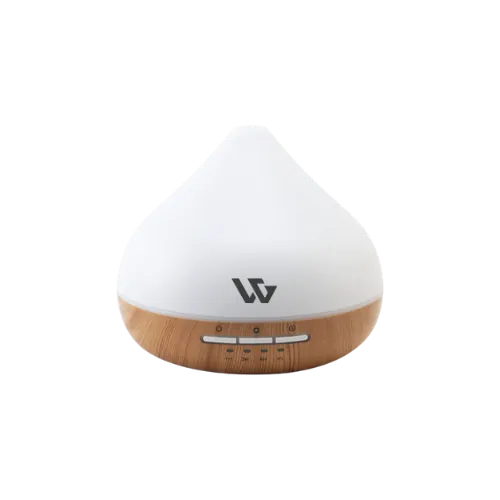
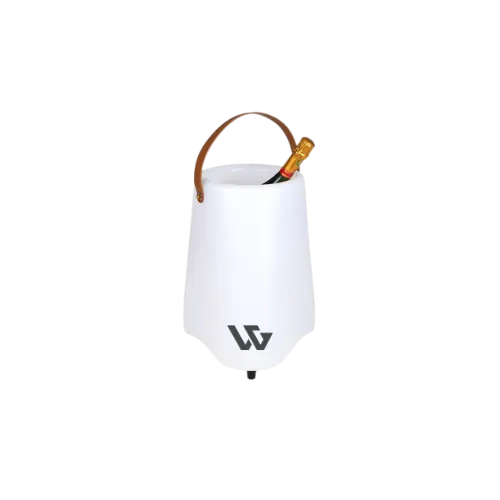
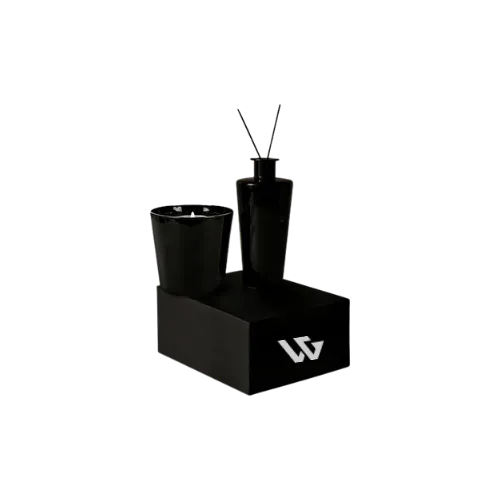
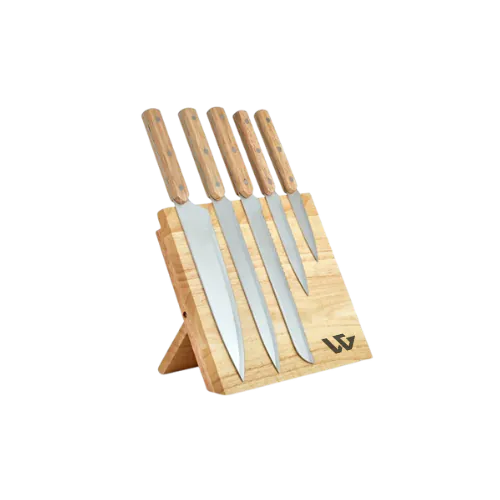
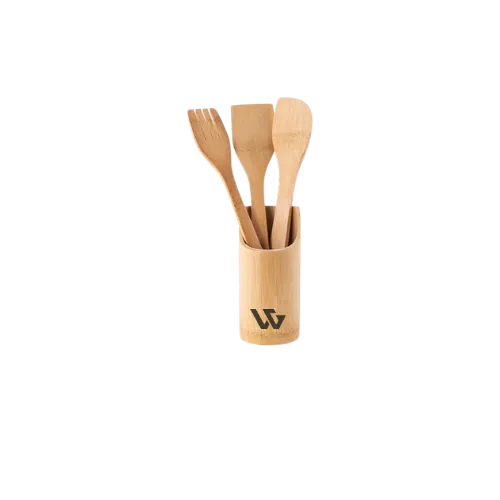

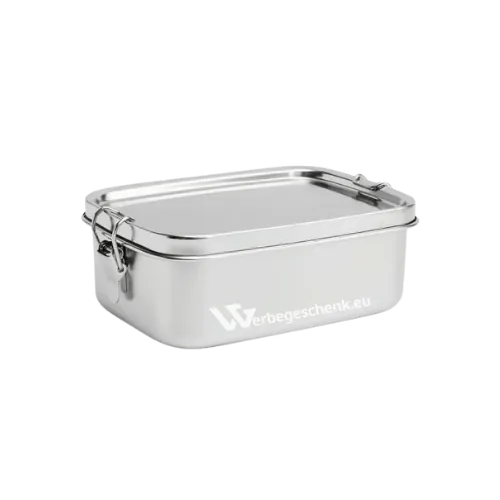

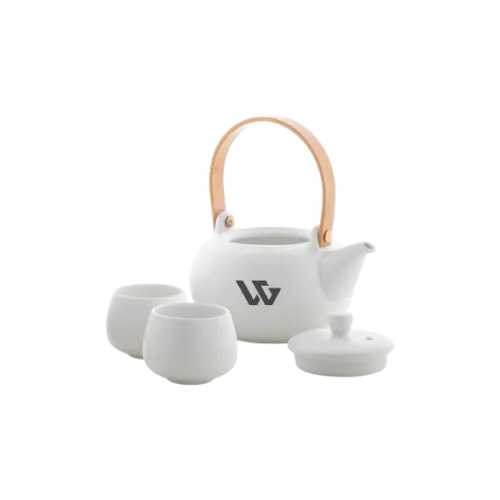
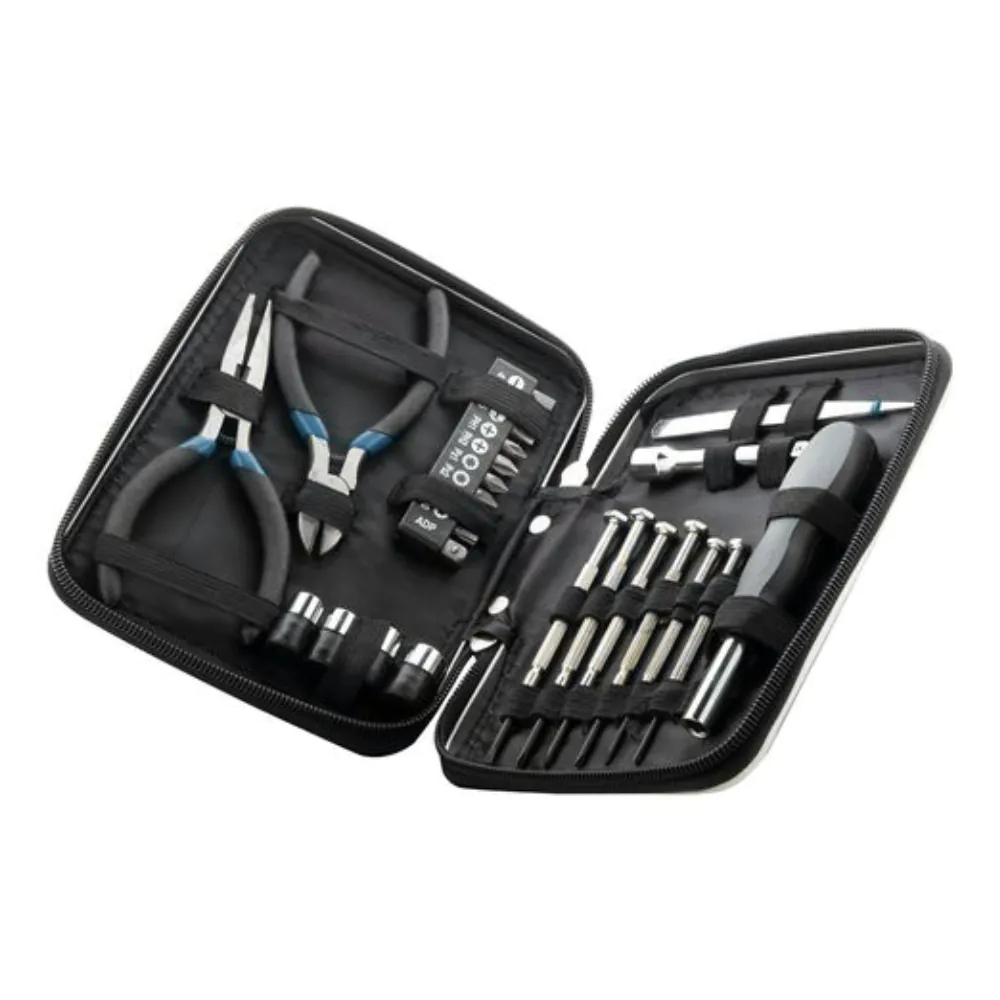
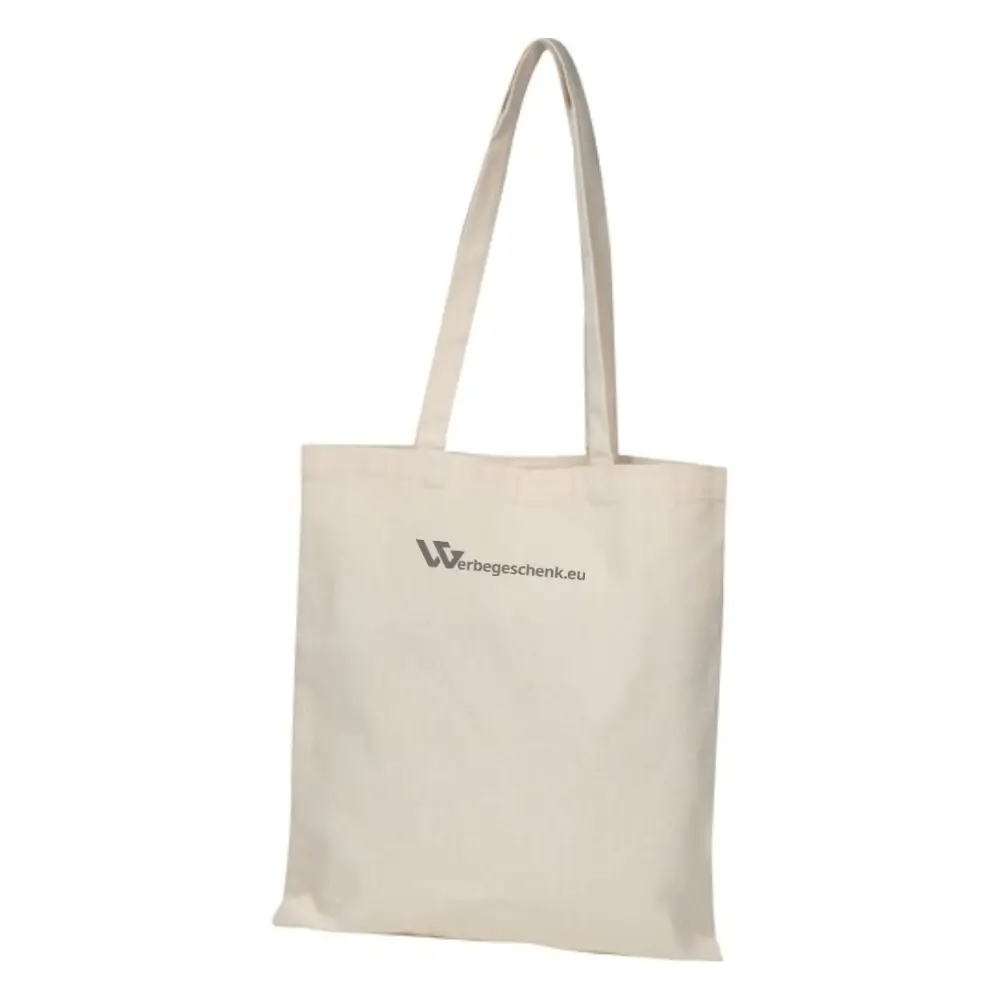
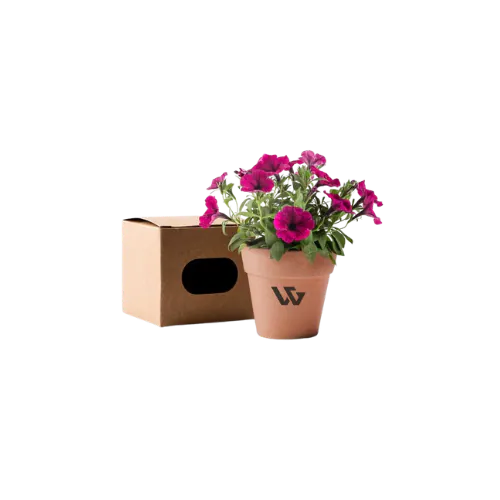


ABS humidifier Ronin
ABS humidifier with wooden look. With color-changing led lights. For rooms up to 25m2. Delivered without liquid, add your own water or fragrance. Two sponges included for better performance, one installed and one refill. Individually packaged in a brown cardboard box.


Acacia wooden cutting board Heinz
Acacia wooden cutting board. Knife sharpener on the side. Individually packaged in a brown carton box.


Acacia wooden cutting Walter
Acacia wooden cutting board with handle and PU cord. Individually packaged in a brown carton box.


Alder Wood Chopping Board
Chopping board made from alder wood sourced in the EU. Made from one piece of wood, without glue. The shelf can also be used as a snack shelf. Ideal for chopping and presenting food. Alder wood has an even structure. The light yellow and red tones and subtle, dense knots that are occasionally present, give this wood a unique character. Made in Croatia.


Alder Wood Chopping Board Handle
Chopping board made from alder wood sourced in the EU. Made from one piece of wood, without glue. The shelf has a handle and can also be used as a snack shelf. Ideal for chopping and presenting food. Alder wood has an even structure. The light yellow and red tones and subtle, dense knots that are occasionally present, give this wood a unique character. Made in Croatia.


Alder Wood Chopping Board Open Grip
Chopping board made from alder wood sourced in the EU. Made from one piece of wood, without glue. With an open grip. The shelf can also be used as a snack shelf. Ideal for chopping and presenting food. Alder wood has an even structure. The light yellow and red tones and subtle, dense knots that are occasionally present, give this wood a unique character. Made in Croatia.


Alder Wood Cutting Board
Chopping board made from alder wood sourced in the EU. Made from one piece of wood, without glue. This board has a generous size and can also be used as a serving board. Ideal for chopping and presenting food. Alder wood has an even structure. The light yellow and red tones and subtle, dense knots that are occasionally present, give this wood a unique character. Made in Croatia.


Alder Wood Cutting Board Handle
Chopping board made from alder wood sourced in the EU. Made from one piece of wood, without glue. The shelf has a handle with a cord and can also be used as a snack shelf. Ideal for chopping and presenting food. Alder wood has an even structure.The light yellow and red tones and subtle, dense knots that are occasionally present, give this wood a unique character. Made in Croatia.
Alfie GRS Recycled Shopper (270 g/m²)
Shopper with long handles, made from recycled corduroy polyester (270 g/m²). This super-soft velour rib fabric – familiar from the seventies and now back in fashion – gives the bag a retro yet contemporary look. Ideal for everyday use or a casual day out. GRS-certified. Total recycled material: 94%. Capacity approx. 8 litres.


Amigo bottle opener
Bottle opener with beech wood handle. Designed for ease of use.


Apple leather and PU keychain Sabrina
Apple leather and PU keychain with metal ring. Made from 30% apple leather and 70% PU. Includes embossing in the shape of an apple. Packaged in a kraft carton sleeve.
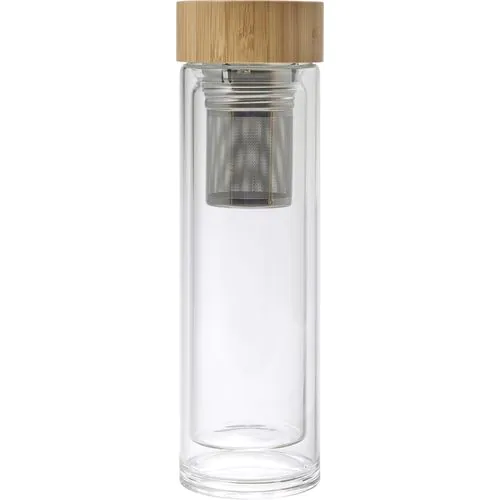

Bamboo and glass double walled bottle Vicente
Bamboo and glass bottle (420 ml), double walled. Including stainless steel tea infuser. Individually packaged in a brown carton box.


Bamboo and stainless steel double walled bottle Yara
Bamboo and stainless steel (s/s304) thermos bottle (420 ml), double walled. Including stainless steel tea infuser.


Bamboo and stainless steel travel cup Sabine
Bamboo and stainless steel (s/s304) thermos travel cup (400 ml), double walled. The lid has a drinking opening that closes with a sliding valve.


Bamboo Bath Board
Enjoy a wonderfully relaxing bath with this high-quality adjustable bath board made from bamboo wood. Thanks to its adjustable design, this bath board adapts seamlessly to any bath. Features an adjustable rest for books or tablets, a phone holder, and notches for holding your favourite drink. Universal and easy to place onto any bath rim. Sturdy in design and non-slip.


Bamboo Black Tool multi tool
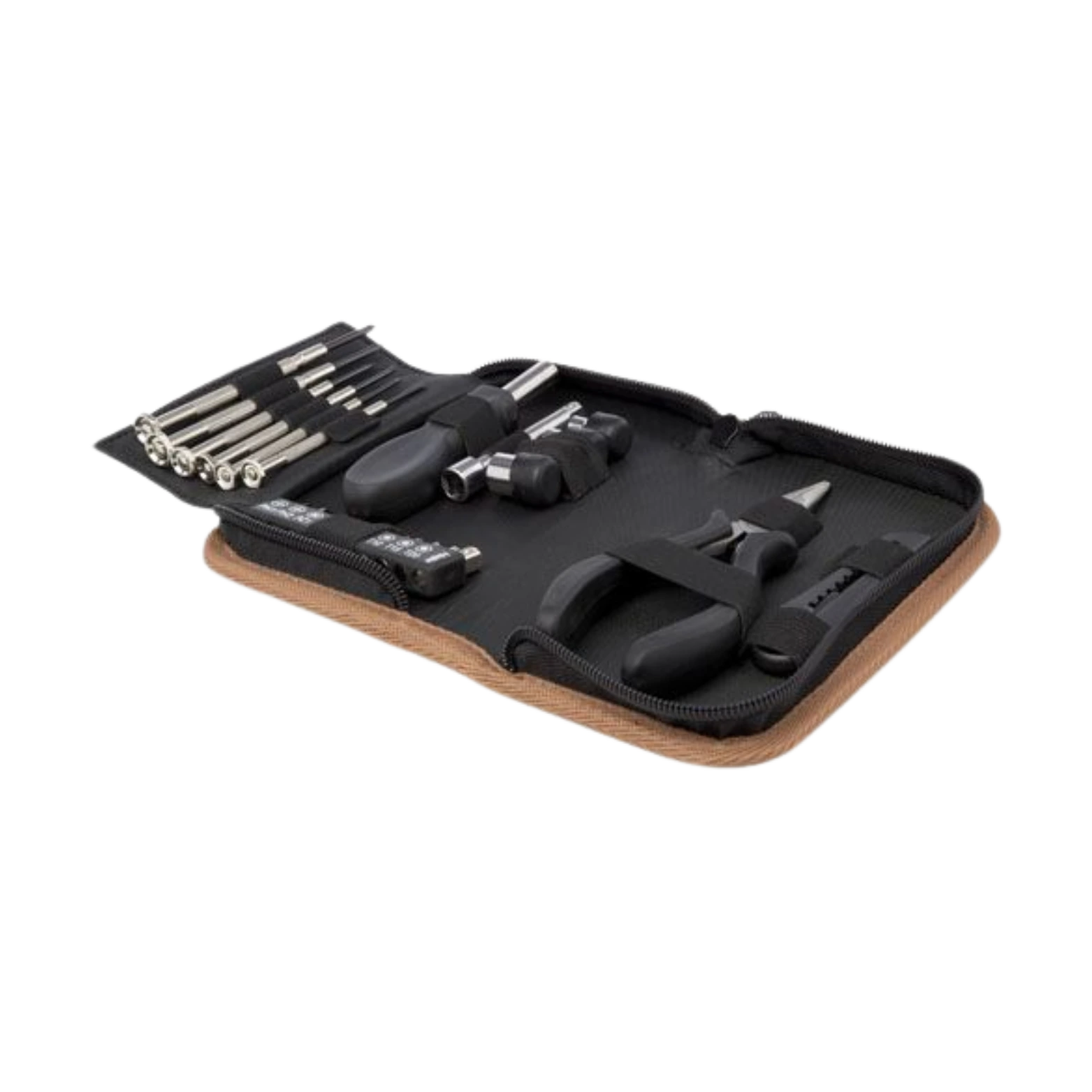
7-piece tool set with steel and bamboo holder. The holder contains the following black steel tools: 5 Allen keys in various sizes, a screwdriver and a Phillips screwdriver. You can easily take this compact set with you when on the move.
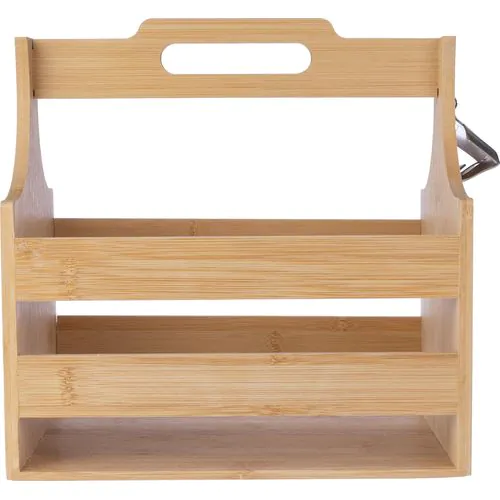

Bamboo bottle holder Hans
Bamboo bottle holder (suitable for beer bottles) with carrying handle. On the side, a metal bottle opener. Individually packaged in a brown carton box.


Bamboo bottle opener Sherry
Bamboo bottle opener with a spirit level.


Bamboo bread cutting board Werner
Bamboo bread cutting board. Includes stainless steel bread knife with bamboo handle. Individually packaged in a brown carton box
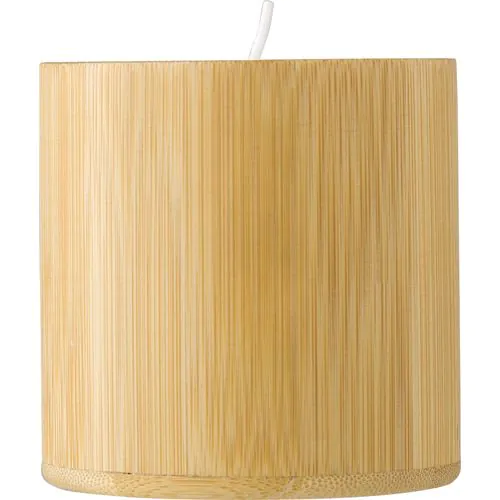

Bamboo candle Eli
Bamboo candle with plant-based wax. The candle contains mainly plant-based wax (carnauba wax) and has a burning time of around 30 hours. Packed per piece in carton box.


Bamboo cheese and wine set Patrick
Bamboo cheese and wine set, including: corkscrew, wine stopper, cheese grater, and knife.
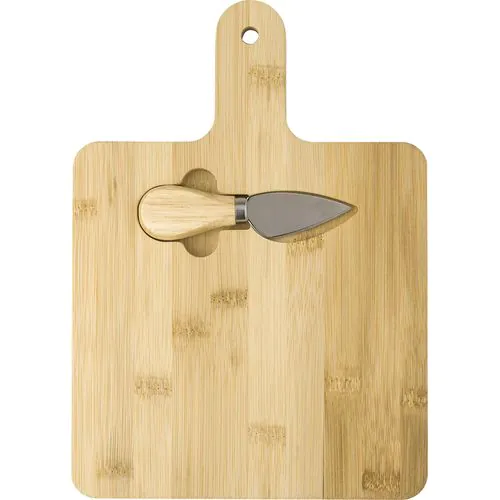

Bamboo cheese board Jelena
Bamboo cheese board with utensil that fits into a cut-out in the board. Individually packaged in kraft paper box.


Bamboo cheese board Regina
Bamboo cheese board with three utensils, which fit inside cut-outs in the board. Individually packed in brown cardboard box.


Bamboo cheese board Zea
Bamboo cheese board with fold-out design, including four stainless steel cutlery pieces with beechwood handles. Convenient storage compartment keeps the cutlery neatly tucked inside. Individually packaged in a brown cardboard box.
The Quiet Power of Presence: Branding the Moments That Matter
The strength of promotional household items lies in their ability to form habits. Unlike products that rely on novelty, homeware thrives on repetition. It is used not because it stands out, but because it fits naturally into daily life. Kitchen tools such as an acacia wooden cutting board or a set of felt coasters are used without hesitation. Appliances like an electric frother or compact blender become part of morning routines, reinforcing brand presence at the start of each day. Even smaller items, such as bottle opener keychains or bar mats, operate within social and shared environments — extending exposure beyond the individual.
This frequency creates a form of engagement that is both passive and persistent. The product does not need to compete for attention. It is simply there — used, relied upon and returned to. Over time, this builds a different kind of brand relationship. One that is not driven by recall, but by routine. The brand is not remembered in isolation; it becomes part of a sequence of everyday actions.

Designing for the Home: Where Function Meets Comfort
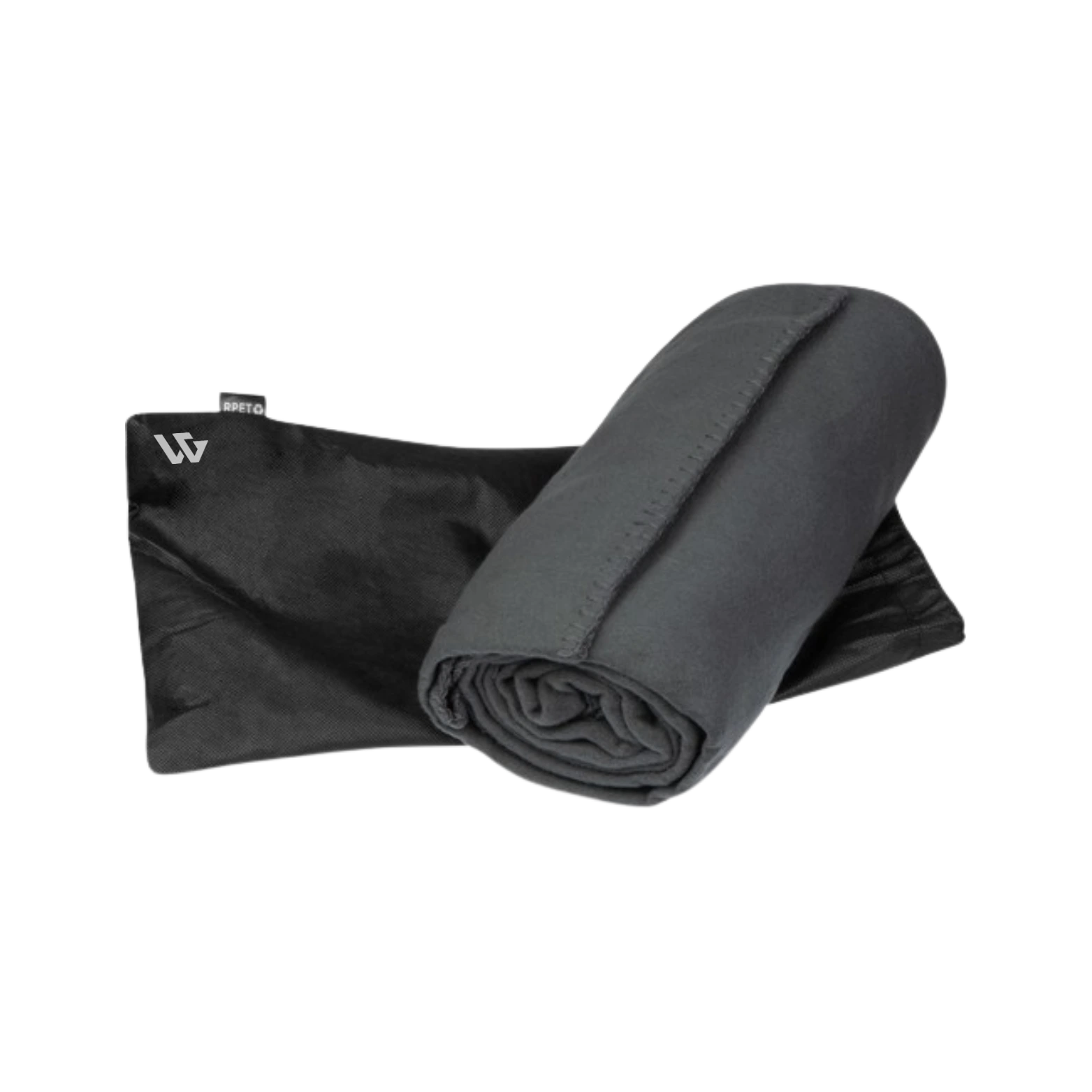
Home environments operate differently from professional or public spaces. Products are evaluated not just on functionality, but on how well they integrate into a space that is both practical and personal. This places greater emphasis on design sensitivity. A humidifier, hygrometer or kitchen accessory must feel appropriate within the environment it occupies. Materials, finishes and proportions all influence whether a product is used regularly or set aside. Comfort also plays a significant role. Items such as branded blankets or household linen are experienced through touch, creating a more immediate and personal connection with the product. These interactions are subtle, but they contribute to how the brand is perceived over time.
Even DIY promotional items — often overlooked — can become highly effective when they support small, practical tasks within the home. They introduce utility without disrupting the environment, reinforcing the idea that the brand is there to support rather than interrupt. In this category, success is defined by integration. The product should feel like it belongs — not as an addition, but as part of the space itself.

The Rise of Experience-Led Home Merchandise
As lifestyles become more fluid, the role of home merchandise is expanding. It is no longer limited to static use within a single space. Instead, it moves between environments — supporting routines that extend beyond the home. A cooler bag used for grocery runs may reappear at outdoor gatherings. A steel tumbler moves from kitchen to workspace. Small appliances and accessories shift between personal use and shared settings, creating multiple touchpoints across different moments.
This evolution reflects a broader shift in how people experience products. They are no longer confined to one function or one environment. They adapt, travel and reappear — creating continuity across different parts of the day. For brands, this introduces a new dimension of visibility. The product is not just seen in one context, but across several. It becomes part of a lifestyle that is increasingly mobile, interconnected and experience driven. This is where home merchandise begins to operate less like a category — and more like a system of use.
Choosing Homeware That Reflects How People Actually Live
The effectiveness of promotional homeware merchandise depends on how closely it aligns with real behaviour. Products that feel intuitive and relevant are more likely to be retained and used over time. For example, kitchen accessories and tableware tend to perform well because they support daily routines. Items such as cutting boards, coasters or kitchen gloves are used regularly, often without conscious thought. Similarly, small appliances like electric blenders or frothers introduce a layer of convenience that reinforces continued use.
For more lifestyle-driven audiences, decorative or comfort-led products — such as branded blankets or home accessories — create a softer, more personal form of engagement. These items are not just functional; they contribute to the atmosphere of the space. The key is alignment. Products should reflect how people live, not how brands want to be seen. When this alignment is achieved, the product becomes part of the routine — and the brand becomes part of the experience.


Extra thin 15W charging base, in recycled aluminum, customizable with mirror logo.


Transparent 15W induction base in acrylic, customisable with an LED logo.


15W MagSafe charger in recycled aluminum, customizable with LED logo.


15W wireless charging base made with PU-leather and ABS with soft-touch finishing, and customizable with a ligthing logo.


15W wireless charging base made with ABS soft-touch and acrylic customizable with an offset ligthing logo. Thanks to the acrylic plate and the offset printing, this base offers a high-quality digital logo.


15W wireless charging base made with metal and acrylic customizable with an offset ligth-up logo. Thanks to the acrylic plate and the offset printing, this base offers a high-quality digital logo.


15W wireless charging base made with bamboo and acrylic customizable with an offset ligthing logo. Thanks to the acrylic plate and the offset printing, this base offers a high-quality digital logo.


Exclusive and transparent wireless charging base.
The Modern Sanctuary: Curated Essentials for Every Room
Today’s consumers are discerning about the materials they allow into their private sanctuaries. There is a growing demand for eco-friendly homeware and sustainable household gifts that align with a conscious lifestyle. Transitioning from plastic-heavy items to materials like bamboo, recycled glass, and stainless steel doesn't just reduce environmental impact—it elevates the perceived value of the brand. When a promotional item feels premium and ethically sourced, it is more likely to be displayed prominently and used daily, moving from a temporary giveaway to a permanent fixture of the home.
For the kitchen and dining area, consider branded glassware or custom coasters that facilitate hospitality and shared meals. For wellness and relaxation, scented candles or plush textiles associate your brand with comfort and downtime. Even outdoor-adjacent items like heavy-duty cooler bags or picnic sets extend your reach into the user's weekend adventures. By diversifying your home and living range, you ensure your brand is present for every chapter of the day—from the first morning coffee to the final evening wind-down. Integrating your brand into every "zone" of the home—from the kitchen to the workspace—moves it beyond a simple giveaway to become a permanent, conscious fixture in the user’s daily lifestyle.
Designed with Intent: Building a More Considered Home Experience
Creating impact within the home is rarely about selecting a single standout item — it’s about understanding how different pieces come together to support real, everyday living. This is where we guide our clients most closely. Drawing on experience across promotional homeware merchandise and branded household items, we help shape combinations that feel intuitive, relevant and built for long-term use.
In practice, this means looking beyond individual products and considering how they function across the home. Kitchen utensils often form the starting point, naturally extending into tableware and wine or spirits accessories that shape shared, social moments. Storage space and home safety items introduce a layer of practicality, ensuring the products are not just used, but relied upon. Decorative elements bring in personality, while outdoor equipment and isothermal solutions expand usage beyond the home — into gardens, picnics and on-the-go routines. The goal is not to add more, but to align better. When each product has a clear role within the home, the overall experience feels seamless — and the brand becomes part of how people live, not just something they receive.

Werbegeschenk FAQ

Frequently Asked Questions
Home & living products are integrated into daily routines, which means they are used more consistently over time. Unlike items that are used occasionally, these products remain in the environment, creating repeated exposure and stronger familiarity.
Start with behaviour. Consider how your audience lives, what they use regularly, and which products would fit naturally into their routines. The closer the alignment, the higher the likelihood of long-term use.
In many cases, yes. Higher-quality products tend to be retained longer and used more frequently, which increases overall exposure and reinforces brand perception. The value is realised over time rather than at the point of distribution.
Absolutely. Homeware is increasingly used in employee onboarding, client gifting and lifestyle campaigns. It offers a more personal and considered alternative to traditional corporate merchandise.
Subtlety is key. Products used in personal spaces should feel comfortable and appropriate. Well-integrated branding tends to perform better than overt or highly visible logos.