





Branded Homeware That Lives Beyond the Moment
In a category defined by everyday living, promotional homeware merchandise occupies a uniquely powerful space. Unlike traditional branded items that are used occasionally or confined to specific environments, home merchandise integrates into daily routines — quietly, consistently and often without interruption. From the kitchen counter to the living room, from morning rituals to evening routines, promotional household items are encountered repeatedly in moments that feel personal rather than transactional. This creates a different kind of brand exposure — one that is not driven by visibility alone, but by familiarity.
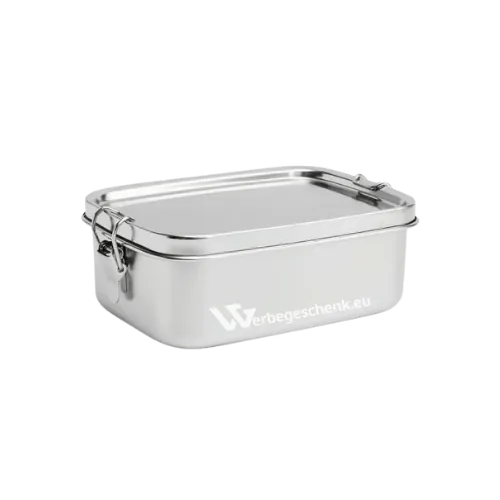
A branded kitchen accessory used during meal preparation, a steel tumbler carried from room to room, or even a cooler bag brought along for weekend errands become part of how people live, not just what they use. These are not one-time interactions. They are repeated, embedded and often shared within households. In this context, branded homeware moves beyond promotional function. It becomes part of the environment — shaping perception not through interruption, but through presence.


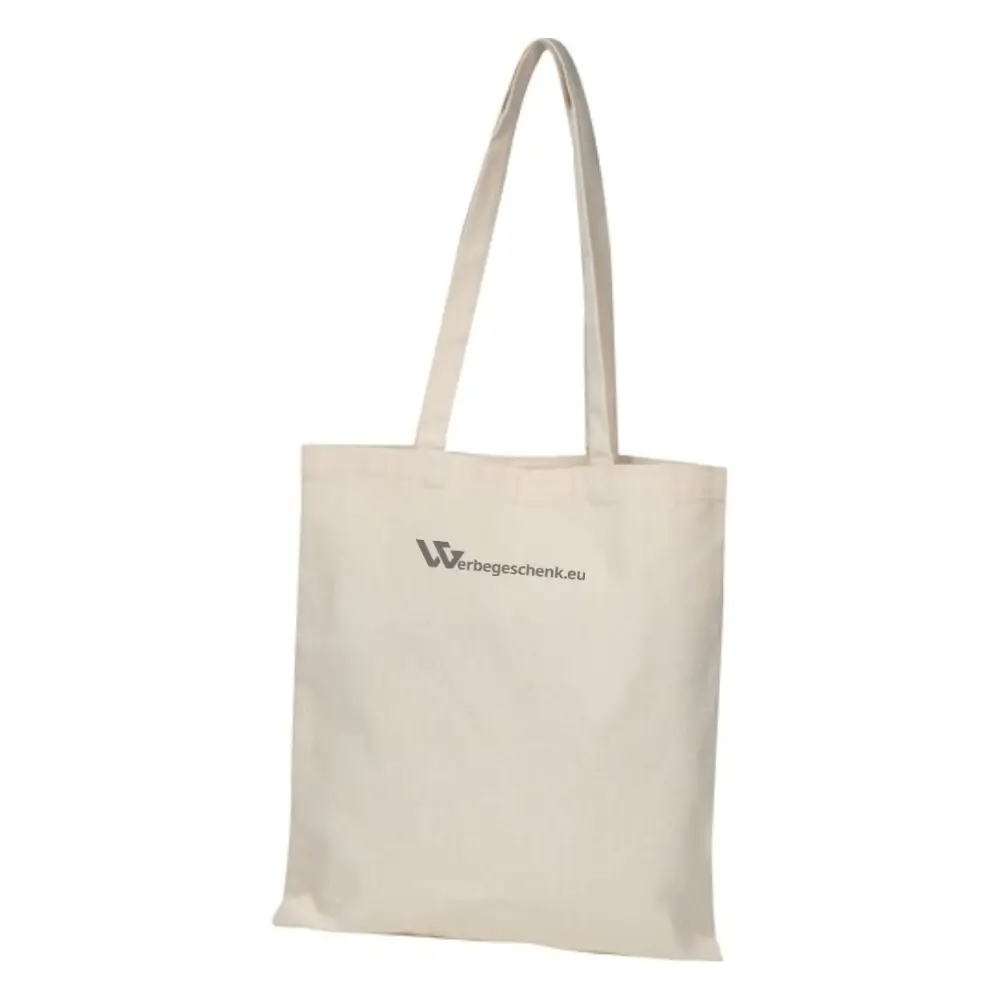
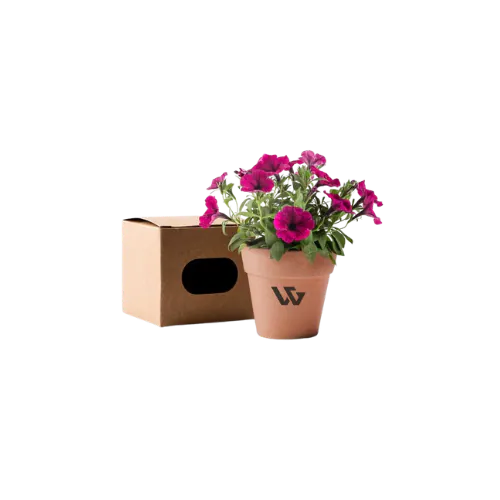


130 g/m2 cotton shopping bag, long handles
130 g/m2 cotton shopping bag, long handles


150 g/m2 recycled cotton shopping bag, melange effect, long handles
150 g/m2 recycled cotton shopping bag, melange effect, long handles


BAG COLONEL
Long-handle bag made in 100% RPET phelt of 2 mm. With RPET certificate.
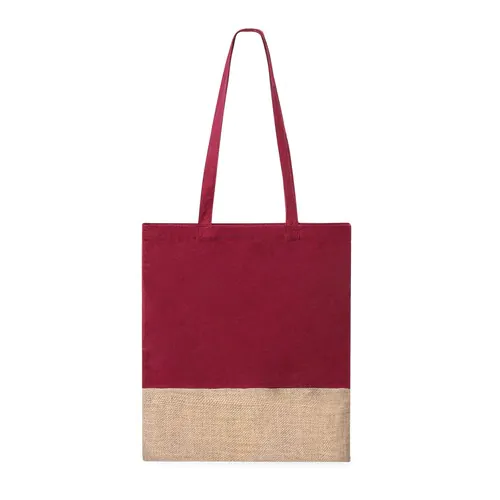

Bag Suelva
Tote bag in cotton material 120 g/m2 in combination with jute. Comfortable flat handles and available in various colours. Resistance up to 8kg weight.


Bag Turkal
Bag made of soft cotton 140g/m2. With 70cm length reinforced handles and available in a wide range of colours. Resistant up to 7kg in weight.


Bolsius True Glow Gift Set
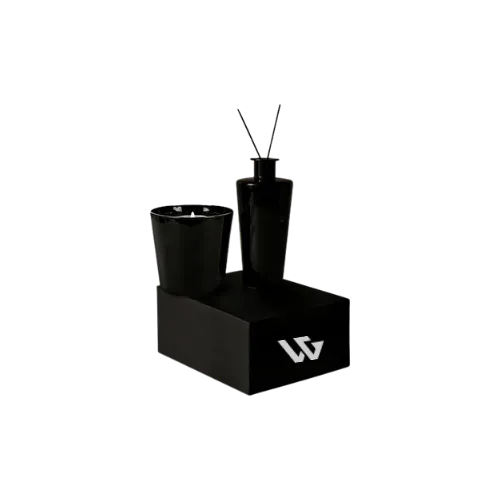
Treat yourself or someone special with the Bolsius True Glow gift set. This beautiful set includes diffuser reeds and a scented candle in a festive glass in rich bordeaux red, filled with the warm fragrance of winter spices. Made with vegan wax and natural extracts, and free from palm oil. Wonderful to give, even better to receive! Perfect as a gift Palm oil free Made with natural vegan wax Made with natural extracts

Bottle carrier bag Málà
Special heat-sealed bag for bottles, with folding at the base, with spindle handles.


Bottle carrier Gemini
Bottle bag made of recycled felt, with handle and PU details. It has a sewn label, size 5.5x3cm, perfect for customization. Handle size 35x2.5cm.

Bottle carrier Málà
Bottle carrier bag, with heat-sealed finishes. Gusset at the base. Die-cut handles.

Bottle carrier Málà
Bottle carrier bag, with heat-sealed finishes. Gusset at the base. Die-cut handles.

Bottle case Rovigo
Thermal case for bottles, in polyester, with elastic straps for a perfect fit.

Bottle case Rovigo
Thermal case for bottles, in polyester, with elastic straps for a perfect fit.


Bottle Cooler Boreas
Bottle cooler with a functional design. Adaptable to any kind of bottle by means of its black elastic band that extends from top to bottom. It is perfect to store in the freezer and to keep the temperature of the bottle for a longer time. Available in a selection of colours and presented in a Recycled paper bag.


CARACAS. 100% cotton bag (140 g/m²)
100% cotton bag (140 g/m²) with 60 cm handles. 375 x 415 mm

Chalice holder Fabinho
Chalice holder with shoulder strap. Large printing surface.

Christmas decoration Adria
Bamboo Christmas decoration, star-shaped, with velvet ribbon.

Christmas decoration Adria
Bamboo Christmas decoration, star-shaped, with velvet ribbon.


Château wine gift set
Elegant, wooden wine box with drip catcher, bottle stopper and stainless steel waiters friend. Excluding wine. Packed per set.


Château wine gift set
Elegant, wooden wine box with drip catcher, bottle stopper and stainless steel waiters friend. Excluding wine.

Claus
A mug developed for Christmas markets. It has a classic handle shape and a straight body, allowing for stacking.


Cool Bag Panuk
Laminated non-woven cooler bag. Main compartment with velcro closure and isothermal aluminum interior. Heat-sealed finish, with side gusset and reinforced handles. Ideal for wine bottles.

Cooler bag Algedi
Thermal bag made of 110gr TNT and aluminum interior, large main compartment. Equipped with practical handles for transportation.


Cooler bag | Christopher
Cooler bag, main compartment and front pocket with zipper, 2 side mesh pockets, carrying handle and adjustable shoulder strap


CoolMate GRS RPET cooler bag
WoW! Cooler bag made from 210D RPET polyester: made from recycled PET bottles. Suitable for 6 drink cans. With carrying strap. GRS-certified. Capacity approx. 3.5 litres.
The Quiet Power of Presence: Branding the Moments That Matter
The strength of promotional household items lies in their ability to form habits. Unlike products that rely on novelty, homeware thrives on repetition. It is used not because it stands out, but because it fits naturally into daily life. Kitchen tools such as an acacia wooden cutting board or a set of felt coasters are used without hesitation. Appliances like an electric frother or compact blender become part of morning routines, reinforcing brand presence at the start of each day. Even smaller items, such as bottle opener keychains or bar mats, operate within social and shared environments — extending exposure beyond the individual.
This frequency creates a form of engagement that is both passive and persistent. The product does not need to compete for attention. It is simply there — used, relied upon and returned to. Over time, this builds a different kind of brand relationship. One that is not driven by recall, but by routine. The brand is not remembered in isolation; it becomes part of a sequence of everyday actions.

Designing for the Home: Where Function Meets Comfort
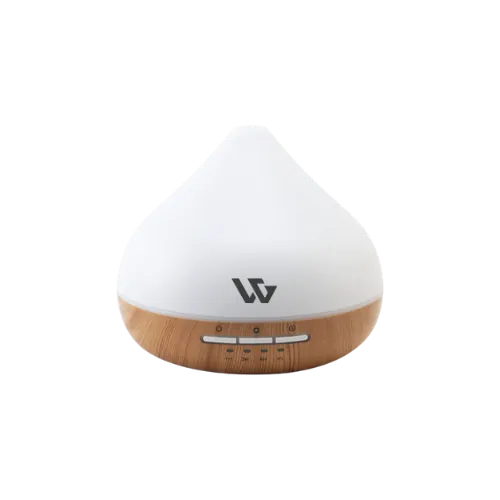
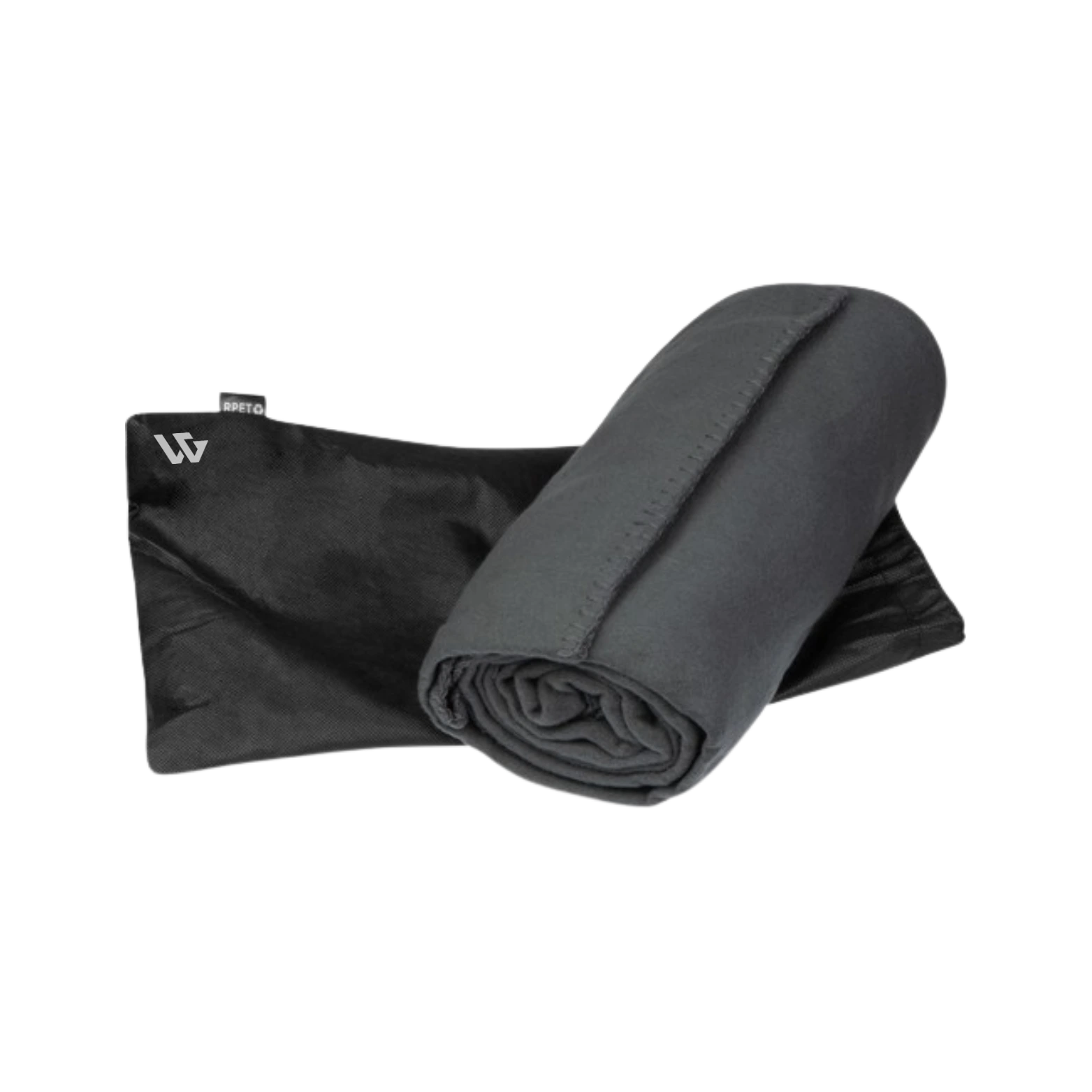
Home environments operate differently from professional or public spaces. Products are evaluated not just on functionality, but on how well they integrate into a space that is both practical and personal. This places greater emphasis on design sensitivity. A humidifier, hygrometer or kitchen accessory must feel appropriate within the environment it occupies. Materials, finishes and proportions all influence whether a product is used regularly or set aside. Comfort also plays a significant role. Items such as branded blankets or household linen are experienced through touch, creating a more immediate and personal connection with the product. These interactions are subtle, but they contribute to how the brand is perceived over time.
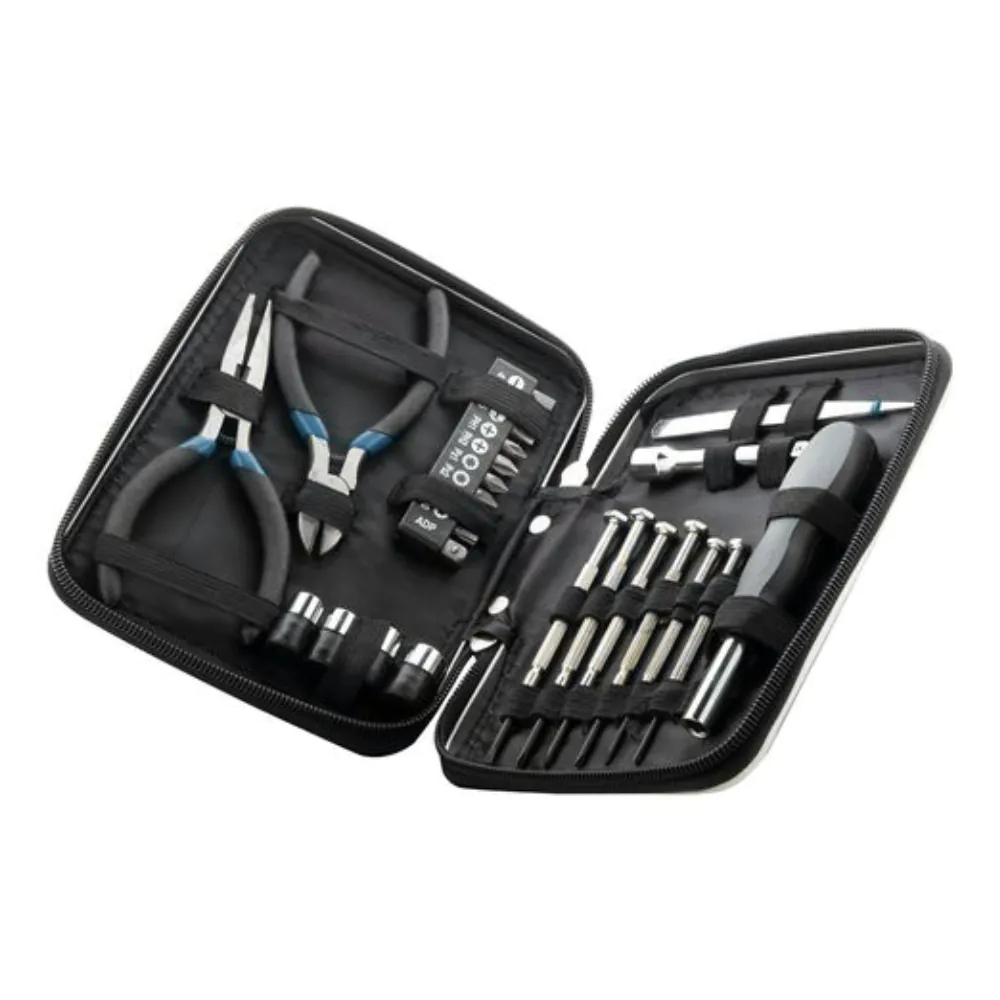
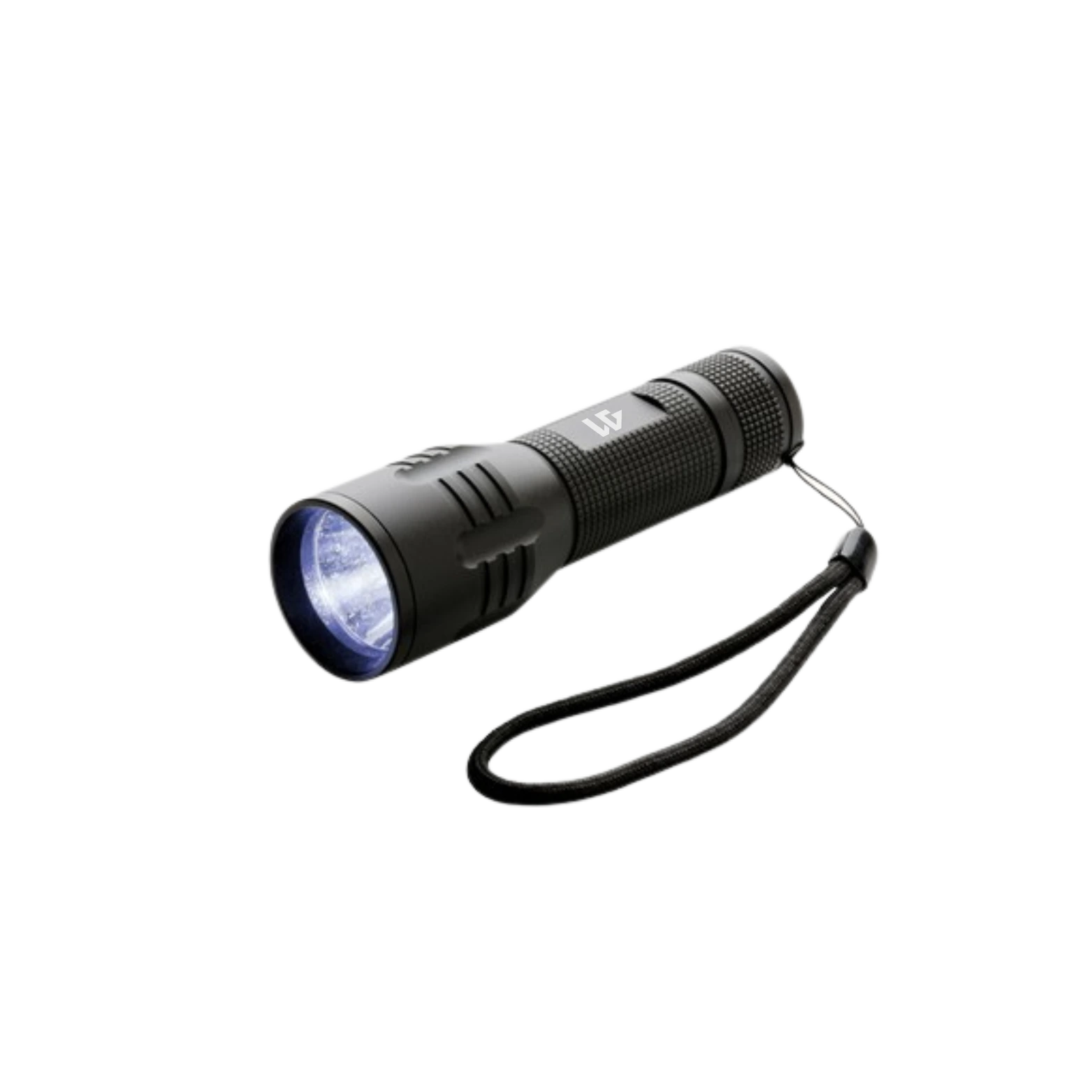
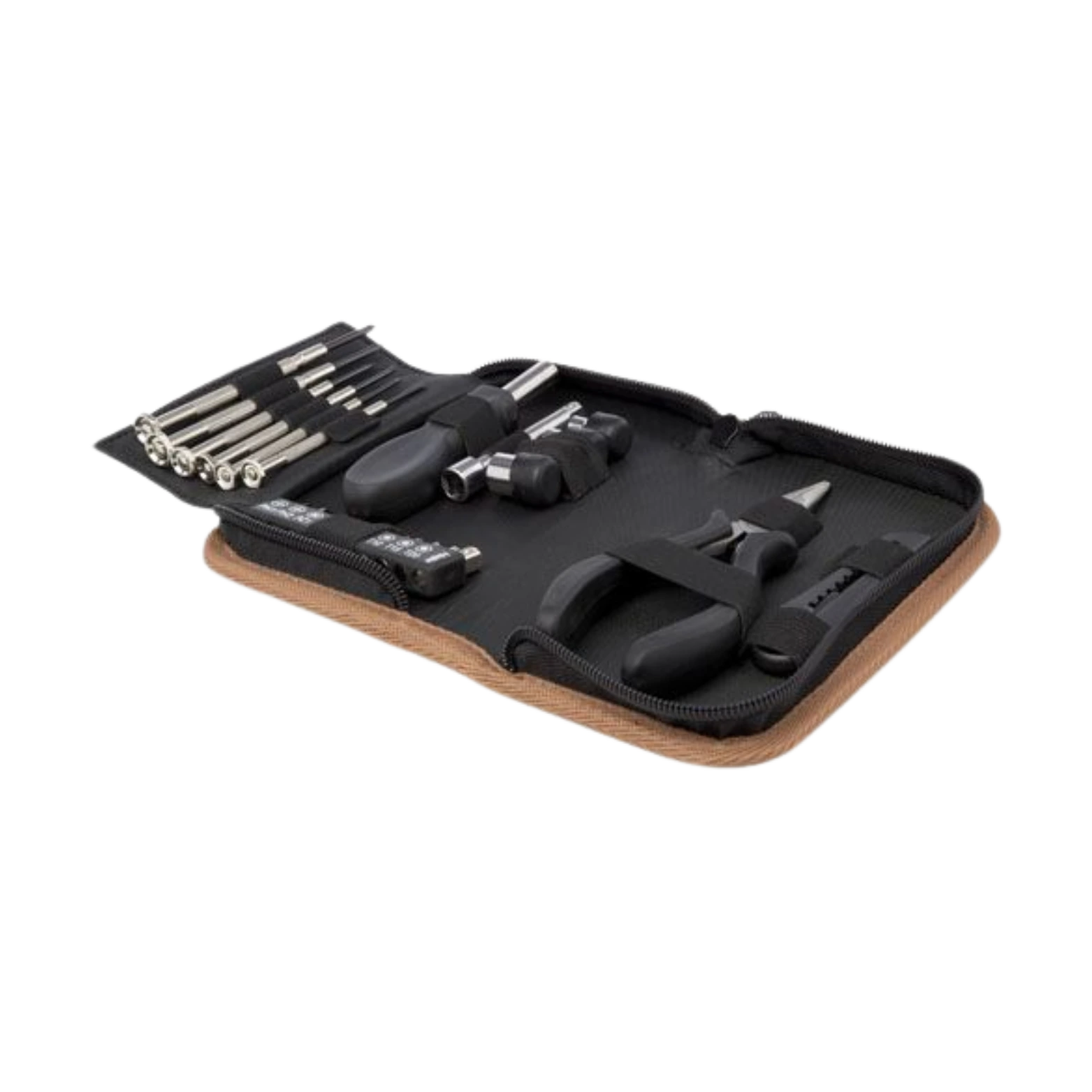
Even DIY promotional items — often overlooked — can become highly effective when they support small, practical tasks within the home. They introduce utility without disrupting the environment, reinforcing the idea that the brand is there to support rather than interrupt. In this category, success is defined by integration. The product should feel like it belongs — not as an addition, but as part of the space itself.

The Rise of Experience-Led Home Merchandise
As lifestyles become more fluid, the role of home merchandise is expanding. It is no longer limited to static use within a single space. Instead, it moves between environments — supporting routines that extend beyond the home. A cooler bag used for grocery runs may reappear at outdoor gatherings. A steel tumbler moves from kitchen to workspace. Small appliances and accessories shift between personal use and shared settings, creating multiple touchpoints across different moments.
This evolution reflects a broader shift in how people experience products. They are no longer confined to one function or one environment. They adapt, travel and reappear — creating continuity across different parts of the day. For brands, this introduces a new dimension of visibility. The product is not just seen in one context, but across several. It becomes part of a lifestyle that is increasingly mobile, interconnected and experience driven. This is where home merchandise begins to operate less like a category — and more like a system of use.
Choosing Homeware That Reflects How People Actually Live
The effectiveness of promotional homeware merchandise depends on how closely it aligns with real behaviour. Products that feel intuitive and relevant are more likely to be retained and used over time. For example, kitchen accessories and tableware tend to perform well because they support daily routines. Items such as cutting boards, coasters or kitchen gloves are used regularly, often without conscious thought. Similarly, small appliances like electric blenders or frothers introduce a layer of convenience that reinforces continued use.
For more lifestyle-driven audiences, decorative or comfort-led products — such as branded blankets or home accessories — create a softer, more personal form of engagement. These items are not just functional; they contribute to the atmosphere of the space. The key is alignment. Products should reflect how people live, not how brands want to be seen. When this alignment is achieved, the product becomes part of the routine — and the brand becomes part of the experience.


Extra thin 15W charging base, in recycled aluminum, customizable with mirror logo.


Transparent 15W induction base in acrylic, customisable with an LED logo.


15W MagSafe charger in recycled aluminum, customizable with LED logo.


15W wireless charging base made with PU-leather and ABS with soft-touch finishing, and customizable with a ligthing logo.


15W wireless charging base made with ABS soft-touch and acrylic customizable with an offset ligthing logo. Thanks to the acrylic plate and the offset printing, this base offers a high-quality digital logo.


15W wireless charging base made with metal and acrylic customizable with an offset ligth-up logo. Thanks to the acrylic plate and the offset printing, this base offers a high-quality digital logo.


15W wireless charging base made with bamboo and acrylic customizable with an offset ligthing logo. Thanks to the acrylic plate and the offset printing, this base offers a high-quality digital logo.


Exclusive and transparent wireless charging base.
The Modern Sanctuary: Curated Essentials for Every Room
Today’s consumers are discerning about the materials they allow into their private sanctuaries. There is a growing demand for eco-friendly homeware and sustainable household gifts that align with a conscious lifestyle. Transitioning from plastic-heavy items to materials like bamboo, recycled glass, and stainless steel doesn't just reduce environmental impact—it elevates the perceived value of the brand. When a promotional item feels premium and ethically sourced, it is more likely to be displayed prominently and used daily, moving from a temporary giveaway to a permanent fixture of the home.
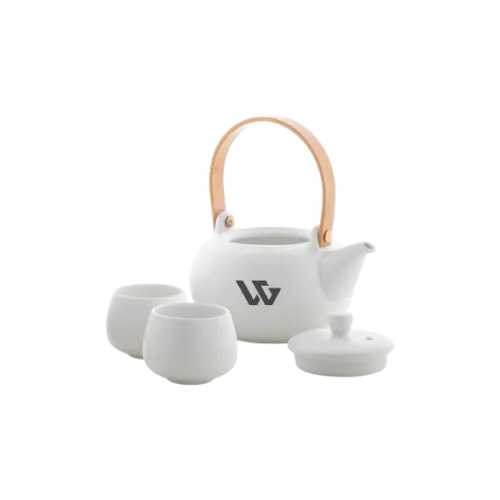
For the kitchen and dining area, consider branded glassware or custom coasters that facilitate hospitality and shared meals. For wellness and relaxation, scented candles or plush textiles associate your brand with comfort and downtime. Even outdoor-adjacent items like heavy-duty cooler bags or picnic sets extend your reach into the user's weekend adventures. By diversifying your home and living range, you ensure your brand is present for every chapter of the day—from the first morning coffee to the final evening wind-down. Integrating your brand into every "zone" of the home—from the kitchen to the workspace—moves it beyond a simple giveaway to become a permanent, conscious fixture in the user’s daily lifestyle.
Designed with Intent: Building a More Considered Home Experience
Creating impact within the home is rarely about selecting a single standout item — it’s about understanding how different pieces come together to support real, everyday living. This is where we guide our clients most closely. Drawing on experience across promotional homeware merchandise and branded household items, we help shape combinations that feel intuitive, relevant and built for long-term use.
In practice, this means looking beyond individual products and considering how they function across the home. Kitchen utensils often form the starting point, naturally extending into tableware and wine or spirits accessories that shape shared, social moments. Storage space and home safety items introduce a layer of practicality, ensuring the products are not just used, but relied upon. Decorative elements bring in personality, while outdoor equipment and isothermal solutions expand usage beyond the home — into gardens, picnics and on-the-go routines. The goal is not to add more, but to align better. When each product has a clear role within the home, the overall experience feels seamless — and the brand becomes part of how people live, not just something they receive.

Werbegeschenk FAQ

Frequently Asked Questions
Home & living products are integrated into daily routines, which means they are used more consistently over time. Unlike items that are used occasionally, these products remain in the environment, creating repeated exposure and stronger familiarity.
Start with behaviour. Consider how your audience lives, what they use regularly, and which products would fit naturally into their routines. The closer the alignment, the higher the likelihood of long-term use.
In many cases, yes. Higher-quality products tend to be retained longer and used more frequently, which increases overall exposure and reinforces brand perception. The value is realised over time rather than at the point of distribution.
Absolutely. Homeware is increasingly used in employee onboarding, client gifting and lifestyle campaigns. It offers a more personal and considered alternative to traditional corporate merchandise.
Subtlety is key. Products used in personal spaces should feel comfortable and appropriate. Well-integrated branding tends to perform better than overt or highly visible logos.