






The Smart Way to Put Sustainability in Your Customers' Hands
Not long ago, businesses had to choose between innovation and sustainability. Technology gifts were often associated with plastic-heavy accessories, while environmentally conscious merchandise was largely limited to reusable bottles, cotton tote bags or bamboo stationery. Today, that distinction has all but disappeared.
A new generation of eco tech promotional products is proving that businesses no longer need to compromise. Wireless chargers crafted from bamboo, power banks made using recycled materials, speakers wrapped in sustainable cork and desk accessories manufactured from reclaimed plastics are redefining what corporate merchandise can achieve.
The shift is being driven by more than consumer preference. Environmental, Social and Governance (ESG) commitments have become a strategic priority across industries, while procurement teams increasingly evaluate suppliers based not only on cost but also on sustainability credentials. At the same time, employees and customers have become more selective about the promotional items they choose to keep. A useful technology product that supports everyday productivity while reducing environmental impact offers far greater long-term brand visibility than disposable giveaways.
This is precisely why sustainable technology gifts have become one of the fastest-growing categories within promotional merchandise. They combine practical daily functionality with meaningful environmental storytelling, allowing brands to communicate innovation, responsibility and quality through a single product.
Whether you're planning an employee onboarding programme, rewarding loyal clients, launching a sustainability initiative or preparing for an international trade exhibition, today's green tech branded gifts deliver considerably more than a printed logo—they reflect the values your organisation wants to be remembered for.
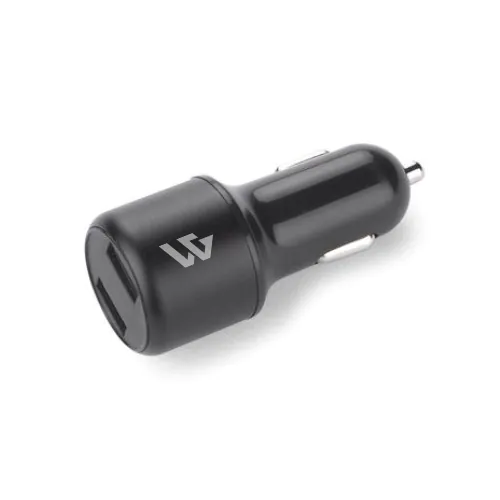


6-in-1 Charging Cable REEVES-myCONVERTICS
Different connections and different cables are no longer a worry with REEVES-myConvertics. REEVES-myConvertics includes a USB-C to USB-C charging cable with a length of 48 cm, along with adapters for Micro-USB, 8 Pin for Apple® and USB-A. Depending on the end device and adapter, the USB-C cable is suitable for up to 60 watts Fast Charge. In addition, the cable not only supplies the device to be recharged, but can also be used to transfer data. The cable and all the adapters are made of recycled TPE plastic. 6-in-1 Function: - USB-C to USB-C - Micro-USB to USB-C - 8 Pin for Apple® to USB-C - USB-C to USB-A - Micro-USB to USB-A - 8 Pin for Apple® to USB-A All components are stored in a handy housing made of recycled ABS plastic, which is opened by a twist and turn closure and remains firmly closed by a magnetic closure even when shaken. A sturdy carabiner makes it easy to attach to a backpack or similar. myConvertics is conveniently flat and offers a particularly large and present printing area. The advertising can be applied with a large-area UV print or a pad print. Note: The logo remains visible even when the case is opened. Configure your desired colours: The case can be chosen in black or white and a silicone ring can be added from 17 different colours. This makes it easy to adapt the look of the case to your design. All components are available from stock in Cologne. Apple® is a registered trademark of Apple Inc., registered in the US and other countries.


Bag Ota
Bag in 280 g/m2 recycled cotton, with adjustable shoulder strap and drawstring closure.


Ball pen Baron 03 colour recycled hardcolour
The popular hardcolour ball pen Baron 03 in recycled material. This pen is made of 100% recycled ABS plastic and is made in Europe. The Nature inspired colours on the barrel give an extra element to the pen.


Ball pen Baron 03 recycled hardcolour
The popular ball hardcolour pen Baron 03 in recycled material. This pen is made of 100% recycled ABS plastic and is made in Europe.


ballpoint pen
Ballpoint pen with white *pen body made of 70% biobased plastics.


ballpoint pen
First ballpoint pen in the world that has been awarded the most famous eco-label "Blue Angel".


ballpoint pen
First ballpoint pen in the world that has been awarded the most famous eco-label "Blue Angel".


ballpoint pen
First ballpoint pen in the world that has been awarded the most famous eco-label "Blue Angel".
Circular&Co Recycled Coffee Cup 227 ml
Double-walled, circular reusable coffee-to-go cup with lid from Circular&Co. The outer insulating layer of this cup is made from used, recycled single-use paper coffee cups. With inner wall and lid made from PP. 100% leak proof. The insulating effect keeps your hot drink hotter and cold drink cooler for longer. The lid is designed with patented 360-degree technology, which allows you to sip from any angle. The coffee cup can be opened and closed with one hand and one click. Ideal for on the go. 100% recyclable. Dishwasher-safe. Washing by hand is recommended to preserve the imprint. Capacity 227 ml. EXTRA INFO: With a minimum order of 5,000 pieces, the lid of this product is available in any PMS colour. A way to create a perfect match between product and imprint.
Circular&Co Recycled Coffee Cup 340 ml
Double-walled, circular reusable coffee-to-go cup with lid from Circular&Co. The outer insulating layer of this cup is made from used, recycled single-use paper coffee cups. With inner wall and lid made from PP. 100% leak proof. The insulating effect keeps your hot drink hotter and cold drink colder for longer. The lid is designed with patented 360-degree technology, which allows you to sip from any angle. The coffee cup can be opened and closed with one hand and one click. Ideal for on the go. 100% recyclable. Dishwasher-safe. Washing by hand is recommended to preserve the imprint. Capacity 340 ml. EXTRA INFO: With a minimum order of 5,000 pieces, the lid of this product is available in any PMS colour. A way to create a perfect match between product and imprint.


Coffee cup Hot-but-cool with lid 240ml
European quality cup made of 95% bio-plastic from sugarcane. This stackable cup is reusable and 100% recyclable. Designed for outer layer to stay cool when you add warm liquids to the cup. Toppoint design.

Design Ice scraper 2K REE
Design ice scraper made of 100% recycled plastic especially sturdy and a delight for the hand VE 130 pcs.

Drinking bottle RETUMBLER-DUIX STEEL
More color. More volume. More statement.


Drinking bottle RETUMBLER-myTOULON
The stainless steel drinking bottle myToulon is combinable with a ring and sleeve made of silicone. There are 17 different silicone colours to choose from. The pleasantly low-weighted bottle is available in five different varnish colours with an anti-fingerprint coating. The single-walled stainless steel bottle has a filling volume of 700ml and is also suitable for carbonated drinks. Cleaning in the dishwasher is possible with the varnish version of the bottle, but we recommend cleaning by hand. The bottle can be customised with laser engraving, pad printing and UV printing. Gift packaging is optional.


Drinking bottle RETUMBLER-myTOULON
The stainless steel drinking bottle myToulon is combinable with a ring and sleeve made of silicone. There are 17 different silicone colours to choose from. The pleasantly low-weighted bottle is available in five different varnish colours with an anti-fingerprint coating. The single-walled stainless steel bottle has a filling volume of 700ml and is also suitable for carbonated drinks. Cleaning in the dishwasher is possible with the varnish version of the bottle, but we recommend cleaning by hand. The bottle can be customised with laser engraving, pad printing and UV printing. Gift packaging is optional.


Drinking bottle RETUMBLER-myTOULON
The stainless steel drinking bottle myToulon is combinable with a ring and sleeve made of silicone. There are 17 different silicone colours to choose from. The pleasantly low-weighted bottle is available in five different varnish colours with an anti-fingerprint coating. The single-walled stainless steel bottle has a filling volume of 700ml and is also suitable for carbonated drinks. Cleaning in the dishwasher is possible with the varnish version of the bottle, but we recommend cleaning by hand. The bottle can be customised with laser engraving, pad printing and UV printing. Gift packaging is optional.


Ice scraper 2K - Alpenrambo
Design ice scraper with brass blade (for glass only) with wide scraper edge and icebreaker prongs especially sturdy and a delight for the hand VE 130 pcs. - also usable as vignette scraper -


Join The Pipe Atlantis Ring Bottle White 500 ml
Reusable water bottle from the Join The Pipe brand. This bottle is made from BIO HDPE. This plastic is made from the waste of the sugar cane plant. A beautiful 3D ribbed pattern gives the bottle a striking appearance. The bottle has 2 openings both with screw caps: a drinking opening and a generous opening for adding ice cubes and making the bottle easy to clean. Supplied with a handy rubber carrying strap. Leakproof. Dishwasher safe up to 65°C. Washing by hand is recommended to preserve de print. Capacity 500 ml. Made in Holland.
Join The Pipe Atlantis Ring Bottle White 500 ml
Reusable water bottle from the Join The Pipe brand. This bottle is made from Bio HDPE. This plastic is made from the waste of the sugar cane plant. A beautiful 3D ribbed pattern gives the bottle a striking appearance. The bottle has 2 openings both with screw caps: a drinking opening and a generous opening for adding ice cubes and making the bottle easy to clean. Supplied with a handy rubber carrying strap. Leakproof. Dishwasher safe up to 65°C. Washing by hand is recommended to preserve de print. Capacity 500 ml. Made in Holland.


Join The Pipe Nairobi Ring Bottle White 500 ml
Reusable water bottle from the Join The Pipe brand. This bottle is made from BIO HDPE. This plastic is made from the waste of the sugar cane plant. A beautiful 3D diamond pattern gives the bottle a striking appearance. The bottle has 2 openings both with screw caps: a drinking opening and a generous opening for adding ice cubes and making the bottle easy to clean. Supplied with a handy rubber carrying strap. Leakproof. Dishwasher safe up to 65°C. Washing by hand is recommended to preserve de print. Capacity 500 ml. Made in Holland.
Join The Pipe Nairobi Ring Bottle White 500 ml
Reusable water bottle from the Join The Pipe brand. This bottle is made from Bio HDPE. This plastic is made from the waste of the sugar cane plant. A beautiful 3D diamond pattern gives the bottle a striking appearance. The bottle has 2 openings both with screw caps: a drinking opening and a generous opening for adding ice cubes and making the bottle easy to clean. Supplied with a handy rubber carrying strap. Leakproof. Dishwasher safe up to 65°C. Washing by hand is recommended to preserve de print. Capacity 500 ml. Made in Holland.
Why Eco Technology is Becoming the Future of Corporate Gifting
Modern workplaces have become increasingly digital. Employees work across multiple devices, hybrid teams depend on portable accessories, and almost every professional relies on smartphones, wireless charging and portable electronics throughout the working day.
As technology has become indispensable, promotional gifting has naturally evolved alongside it. The difference today is that organisations are looking beyond functionality alone. Businesses increasingly want products that support their ESG objectives while demonstrating genuine environmental responsibility. This has fuelled demand for eco branded gadgets that are manufactured using responsibly sourced or recycled materials without compromising on performance.
Unlike novelty giveaways that are quickly discarded, thoughtfully selected promotional eco-friendly tech gifts integrate naturally into everyday routines. A wireless charger remains permanently on an office desk. A recycled Bluetooth speaker accompanies weekend gatherings. A solar-powered power bank becomes essential during travel. Every use reinforces brand recognition in a subtle, positive way.
For procurement managers, HR teams and marketing departments alike, this creates an unusually attractive return on investment. Instead of generating a single impression during an event, custom eco-friendly tech gifts continue creating thousands of brand interactions throughout their usable lifespan.
The result is a category that satisfies multiple business objectives simultaneously:
- stronger brand visibility
- higher perceived gift value
- improved sustainability credentials
- greater product retention
- reduced single-use waste
Few promotional products can achieve all five simultaneously.
What Makes a High-Tech Promotional Product Truly Sustainable?
Not every product carrying an environmental label deserves to be called sustainable. Responsible manufacturing considers the entire lifecycle of a product—from raw material sourcing through production, packaging, transportation, durability and eventual recycling.
The best branded eco-friendly tech gifts campaigns begin by understanding the materials behind the products themselves.
RPET – Giving Plastic a Second Life
One of the most important innovations in sustainable manufacturing is RPET (Recycled Polyethylene Terephthalate). Instead of producing virgin plastic, manufacturers recover discarded PET bottles before processing them into durable new materials suitable for electronic accessories, protective sleeves, charging cables and travel organisers. RPET dramatically reduces reliance on new petroleum resources while helping divert plastic waste away from landfills and oceans.
For businesses wishing to better understand this material, explore our RPET Glossary, where we explain how recycled plastics are transformed into premium promotional merchandise. Beyond its environmental credentials, RPET offers exceptional durability, making it ideal for personalised eco-friendly tech gifts designed for frequent everyday use.
Bamboo – Nature Meets Modern Technology
Few materials demonstrate the harmony between sustainability and innovation quite like bamboo.
As one of the world's fastest-growing renewable resources, bamboo regenerates naturally without requiring extensive irrigation or chemical fertilisers. Its attractive grain patterns also give technology products a premium aesthetic that traditional plastics simply cannot replicate. Today, bamboo features prominently across wireless chargers, Bluetooth speakers, USB hubs, desktop organisers and mobile phone accessories.
Rather than hiding sustainability behind technical specifications, bamboo celebrates it through natural design. Every product carries a distinctive appearance, making each corporate gift feel unique. Discover more about this remarkable renewable material in our Bamboo Glossary.
Recycled ABS – Closing the Loop
ABS plastic has long been valued for its durability within consumer electronics. Increasingly, manufacturers are now recovering used ABS materials before reprocessing them into new products.
Recycled ABS maintains the strength, impact resistance and reliability expected from modern electronics while significantly reducing demand for virgin plastic production.
When combined with responsibly sourced components, recycled ABS enables manufacturers to produce premium eco-friendly tech gifts collections that balance environmental responsibility with dependable performance.


Extra thin 15W charging base, in recycled aluminum, customizable with mirror logo.


Transparent 15W induction base in acrylic, customisable with an LED logo.


15W MagSafe charger in recycled aluminum, customizable with LED logo.


15W wireless charging base made with PU-leather and ABS with soft-touch finishing, and customizable with a ligthing logo.


15W wireless charging base made with ABS soft-touch and acrylic customizable with an offset ligthing logo. Thanks to the acrylic plate and the offset printing, this base offers a high-quality digital logo.


15W wireless charging base made with metal and acrylic customizable with an offset ligth-up logo. Thanks to the acrylic plate and the offset printing, this base offers a high-quality digital logo.


15W wireless charging base made with bamboo and acrylic customizable with an offset ligthing logo. Thanks to the acrylic plate and the offset printing, this base offers a high-quality digital logo.


Exclusive and transparent wireless charging base.
5 Eco-Friendly High-Tech Promotional Products Worth Investing In
The best promotional technology solves everyday problems. These carefully selected products deliver practical value while reinforcing your company's commitment to sustainability.
- 1. Bamboo Wireless Charger Wireless charging has become an everyday convenience across offices worldwide. A bamboo charging pad instantly transforms an ordinary desk into a cleaner, cable-free workspace while showcasing your brand in one of the most visible locations possible. For organisations looking to create premium onboarding packs, this remains one of the most effective branded eco-friendly tech gifts options available.
- 2. Solar Power Bank Designed for travellers, outdoor events and hybrid professionals, solar-assisted power banks provide emergency charging while reducing dependence on conventional electricity sources. As demand for portable energy continues growing, these products represent exceptionally practical B2B eco tech gifts that recipients genuinely appreciate.
- 3. RPET Laptop Sleeve Hybrid working has made laptop protection an everyday necessity. Manufactured using recycled PET bottles, RPET sleeves provide professional protection while visibly supporting sustainability initiatives. Their generous branding area also creates consistent exposure during commuting, meetings and conferences.
- 4. Bamboo Bluetooth Speaker Combining premium sound quality with natural aesthetics, bamboo Bluetooth speakers blur the line between lifestyle product and corporate gift. Unlike disposable promotional items, they often become permanent fixtures in homes and offices, creating long-term brand visibility while reflecting a commitment to thoughtful design.
- 5. Recycled ABS Wireless Mouse A reliable wireless mouse remains one of the most frequently used desktop accessories in modern offices. Choosing recycled ABS versions allows organisations to deliver everyday functionality through sustainable gadget solutions that align with responsible procurement objectives.
Choosing the Right Eco Tech Gift for Every Audience
One of the biggest mistakes businesses make when purchasing promotional merchandise is choosing products based solely on price. The most successful campaigns begin by understanding how recipients will actually use the gift.
For employees, technology that improves productivity often delivers the greatest long-term value. Wireless chargers, ergonomic accessories and desktop organisers integrate seamlessly into everyday work routines, ensuring your brand remains visible throughout the working day. These branded eco-friendly tech gifts for companies reinforce both employee appreciation and organisational values while supporting a more sustainable workplace.
For clients, premium presentation matters just as much as functionality. Bamboo speakers, wireless charging desk pads and eco-friendly earbuds communicate quality, innovation and attention to detail. These gifts create memorable experiences because they feel less like promotional merchandise and more like carefully selected lifestyle products.
Trade shows and exhibitions present entirely different requirements. Portability, affordability and broad appeal become essential when distributing gifts at scale. Compact USB drives, multi-charging cables and recycled wireless accessories are ideal bulk branded eco-friendly tech gifts, offering practical value without compromising on sustainability.
When organisations align the product with the recipient's lifestyle rather than simply their budget, the promotional item becomes something people actively choose to keep.
Ordering Eco-Friendly Technology Products in Bulk
Corporate purchasing involves considerably more than selecting attractive products. Procurement teams must balance quality, consistency, branding, sustainability credentials and delivery timelines while staying within budget.
Fortunately, today's sustainable technology promotional bulk solutions make it possible to achieve all of these objectives simultaneously.
When planning eco tech gifts large quantity orders, begin by considering how the products will be distributed. Employee onboarding programmes often benefit from premium coordinated gift sets, whereas conferences may require lighter, more portable accessories suitable for thousands of attendees.
It's equally important to evaluate branding methods. Laser engraving produces a sophisticated, permanent finish on bamboo and metal surfaces, while UV digital printing allows vibrant full-colour logos on recycled plastics. The right branding technique not only enhances visual appeal but also extends the product's lifespan.
Businesses should also request documentation supporting recycled content or sustainable sourcing where applicable. Transparency has become increasingly important for ESG reporting, and selecting verified products strengthens the credibility of your sustainability initiatives.
Whether you're sourcing wholesale custom eco-friendly tech gifts for an international product launch or managing eco-friendly tech gifts procurement across multiple offices, investing in higher-quality products almost always generates stronger long-term value than choosing the cheapest available option.
After all, the goal isn't simply to distribute merchandise—it's to place your brand into someone's everyday life.
For organisations looking to build complete sustainability campaigns, consider combining high-tech accessories with products from our Eco-Friendly Sports and Eco Office collections. Creating coordinated gift sets across complementary categories reinforces your environmental messaging while providing recipients with practical products they will genuinely enjoy using.
Werbegeschenk FAQ

Frequently Asked Questions
Technology products naturally have higher daily usage than many traditional promotional items. When these products are manufactured using recycled or renewable materials, they allow businesses to demonstrate environmental responsibility without sacrificing practicality. As ESG commitments become increasingly important across industries, eco-friendly tech gifts orders continue to grow because they satisfy both branding and sustainability objectives.
The most widely recognised sustainable materials include RPET, bamboo, recycled ABS, recycled aluminium and responsibly sourced cork. Each offers different environmental advantages while maintaining the durability expected from modern electronic accessories. Choosing products manufactured from these materials helps create more authentic custom eco-friendly tech gifts that align with corporate sustainability goals.
Absolutely. We specialise in bulk branded eco-friendly tech gifts production, enabling organisations to order hundreds or even thousands of products without compromising quality or branding consistency. Whether you're planning an employee appreciation programme or an international exhibition, scalable production makes sustainable gifting accessible for organisations of every size.
Every promotional product tells a story about the organisation behind it. Choosing responsibly manufactured technology products demonstrates that sustainability has been considered throughout the purchasing process, not simply in marketing communications. Well-chosen eco-friendly tech gifts corporate gift programmes can complement broader ESG initiatives while strengthening relationships with employees, customers and stakeholders.
The most memorable gifts are the ones people continue using long after receiving them. A wireless charger on a desk, a Bluetooth speaker at home or a bamboo charging station in an office becomes part of someone's everyday routine. That repeated interaction creates significantly more brand exposure than disposable giveaways, making branded eco-friendly tech gifts company campaigns one of the smartest long-term investments available for modern businesses.