





Branded Homeware That Lives Beyond the Moment
In a category defined by everyday living, promotional homeware merchandise occupies a uniquely powerful space. Unlike traditional branded items that are used occasionally or confined to specific environments, home merchandise integrates into daily routines — quietly, consistently and often without interruption. From the kitchen counter to the living room, from morning rituals to evening routines, promotional household items are encountered repeatedly in moments that feel personal rather than transactional. This creates a different kind of brand exposure — one that is not driven by visibility alone, but by familiarity.
A branded kitchen accessory used during meal preparation, a steel tumbler carried from room to room, or even a cooler bag brought along for weekend errands become part of how people live, not just what they use. These are not one-time interactions. They are repeated, embedded and often shared within households. In this context, branded homeware moves beyond promotional function. It becomes part of the environment — shaping perception not through interruption, but through presence.



MH-08 | Muse radio bluetooth speaker with solar and wind-up mechanism
The portable radio/speaker can be charged in 3 ways: solar powered, self-winding or with the supplied USB cable. With the radio you can receive both AM and FM radio stations. You can easily use the radio as a power bank thanks to the included USB-C cable. With a capacity of 1000 mAh, your phone will be charged again in no time! The built-in flashlight is useful when it starts to get dark and you're still on the road or if you've lost something. The unit has an IP64 coding and is therefore dust and splash-proof. So you can use it in all weather conditions. The radio is also no bigger than a Smartphone and you can easily take it with you wherever you go. A handy device for when you go camping, hiking, when you travel, but also for real emergencies!


MS-015|Muse Water Cooker Stainless Steel
Elegant Muse kettle. A perfect combination of style and functionality. This beautiful kettle is made entirely from high-quality stainless steel, making it not only durable but also giving it a luxurious look that will enhance any kitchen. With a generous 1.7 litre capacity and handy level markings, you can easily measure out the desired amount of water.


MS-05 | Muse hand blender 600 Watt
Chopping, beating, mixing and pureeing. This 4-piece Hand Blender Set from Muse has everything you need to quickly and easily prepare the tastiest dishes. This 600W hand blender is equipped with stainless steel blades, together with the chopper and measuring cup, this hand blender is suitable for preparing sauces, soups and small meals.


MS-10 | Muse Power Juicer 160 Watt
The strong 160W motor of this citrus juicer easily squeezes all the juice from the fruit. The 2 different pressing cones are suitable for all types of citrus fruits. The stainless steel filter ensures a delicious juice without pulp. Thanks to the drip-free system and dishwasher-safe parts, you have a clean countertop even after squeezing.


MS-115|Muse Toaster Stainless Steel
The Muse Toaster is the perfect blend of style and functionality, crafted from sleek stainless steel. Designed to toast two slices of bread at a time, this easy-to-use toaster is ideal for a quick breakfast or a tasty snack. With six browning temperature settings, you have complete control over your perfectly toasted bread, while the centering system ensures even the thickest slices are toasted evenly. The convenient slide-out crumb tray makes cleaning easy, while the illuminated switch lets you see at a glance when the toaster is in use. The auto stop function ensures safety, while the variable browning control offers cancel, defrost and reheat functions. Cord storage keeps your countertops tidy and organized. Complete your breakfast routine with the stylish and functional Muse toaster!


Muse Kettle 1,7 Liter
This stylish kettle from Muse has a capacity of 1.7 liters. This retro-style kettle combines modern technology with vintage design. The kettle is equipped with a water level indicator and an analog temperature gauge. Safety has also been considered; the kettle switches off automatically when there is no water in the appliance and when the water boils.


Muse Kettle 1,7 Liter
This stylish kettle from Muse has a capacity of 1.7 liters. This retro-style kettle combines modern technology with vintage design. The kettle is equipped with a water level indicator and an analog temperature gauge. Safety has also been considered; the kettle switches off automatically when there is no water in the appliance and when the water boils.


Muse Toaster 1000 Watt
With this beautifully designed toaster from Muse you can put delicious toast on the table. This retro-style toaster is suitable for two toasts. The toaster is equipped with six toast settings, which are shown on the analogue display. The device also contains a stop button, with which you can stop toasting before the end time. In addition to toasting, you can also defrost bread. In addition, the pull-out crumb tray makes cleaning easier.


Muse Toaster 1000 Watt
With this beautifully designed toaster from Muse you can put delicious toast on the table. This retro-style toaster is suitable for two toasts. The toaster is equipped with six toast settings, which are shown on the analogue display. The device also contains a stop button, with which you can stop toasting before the end time. In addition to toasting, you can also defrost bread. In addition, the pull-out crumb tray makes cleaning easier.
The Quiet Power of Presence: Branding the Moments That Matter
The strength of promotional household items lies in their ability to form habits. Unlike products that rely on novelty, homeware thrives on repetition. It is used not because it stands out, but because it fits naturally into daily life. Kitchen tools such as an acacia wooden cutting board or a set of felt coasters are used without hesitation. Appliances like an electric frother or compact blender become part of morning routines, reinforcing brand presence at the start of each day. Even smaller items, such as bottle opener keychains or bar mats, operate within social and shared environments — extending exposure beyond the individual.
This frequency creates a form of engagement that is both passive and persistent. The product does not need to compete for attention. It is simply there — used, relied upon and returned to. Over time, this builds a different kind of brand relationship. One that is not driven by recall, but by routine. The brand is not remembered in isolation; it becomes part of a sequence of everyday actions.

Designing for the Home: Where Function Meets Comfort
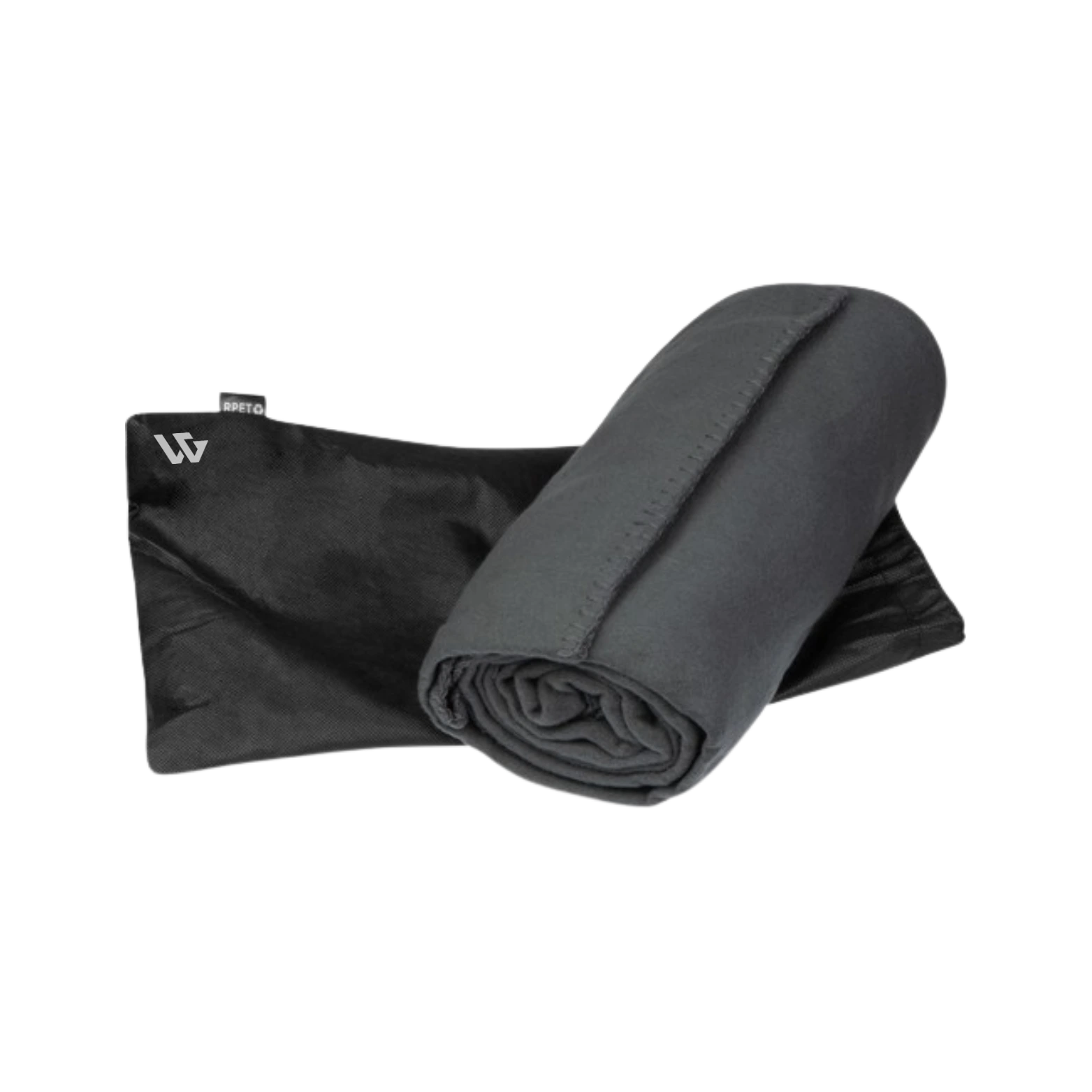
Home environments operate differently from professional or public spaces. Products are evaluated not just on functionality, but on how well they integrate into a space that is both practical and personal. This places greater emphasis on design sensitivity. A humidifier, hygrometer or kitchen accessory must feel appropriate within the environment it occupies. Materials, finishes and proportions all influence whether a product is used regularly or set aside. Comfort also plays a significant role. Items such as branded blankets or household linen are experienced through touch, creating a more immediate and personal connection with the product. These interactions are subtle, but they contribute to how the brand is perceived over time.
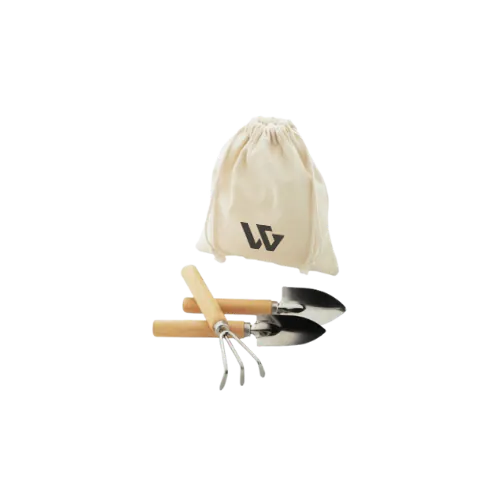
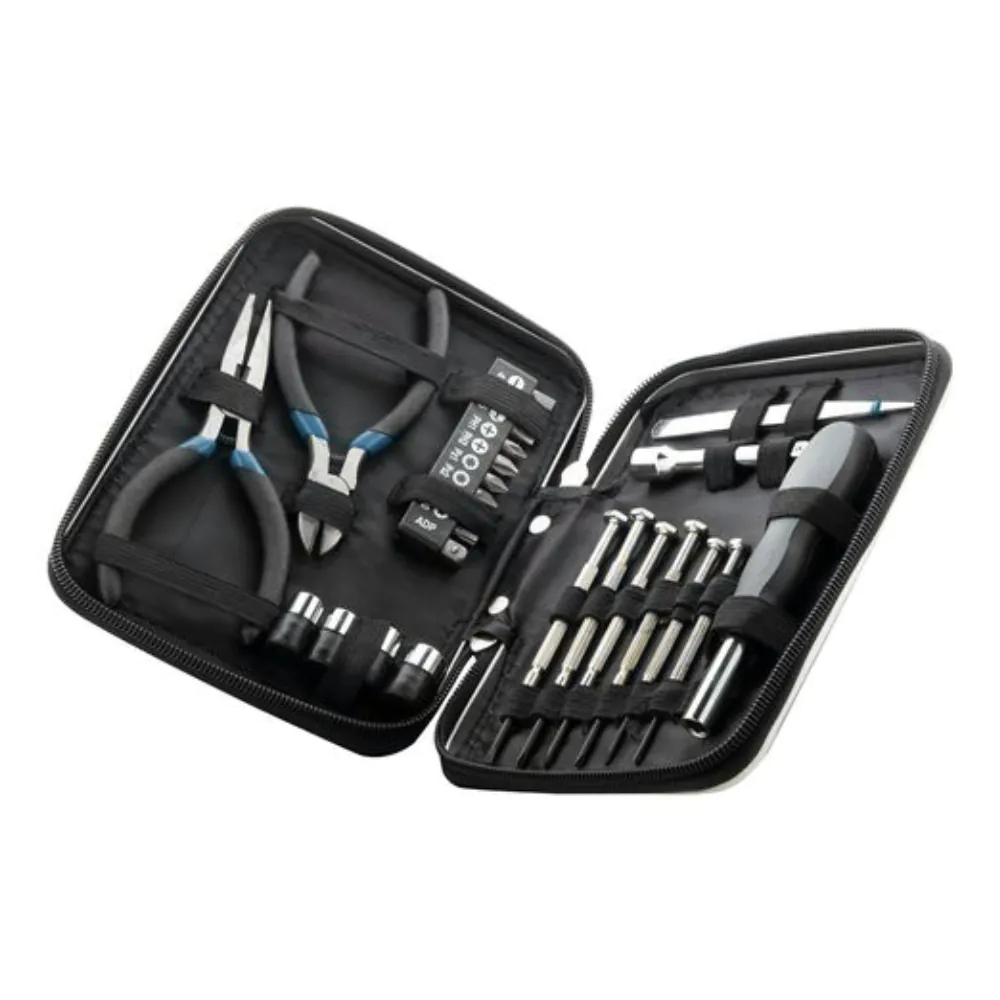
Even DIY promotional items — often overlooked — can become highly effective when they support small, practical tasks within the home. They introduce utility without disrupting the environment, reinforcing the idea that the brand is there to support rather than interrupt. In this category, success is defined by integration. The product should feel like it belongs — not as an addition, but as part of the space itself.

The Rise of Experience-Led Home Merchandise
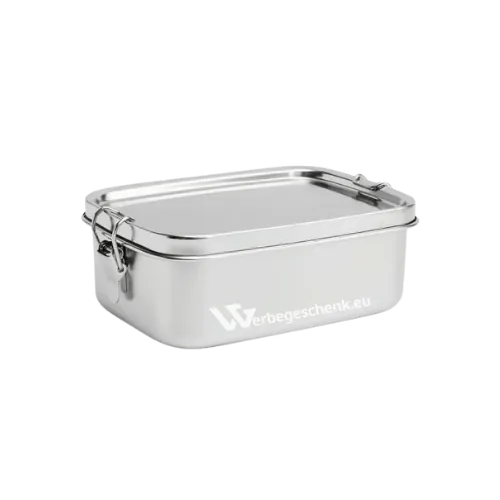
As lifestyles become more fluid, the role of home merchandise is expanding. It is no longer limited to static use within a single space. Instead, it moves between environments — supporting routines that extend beyond the home. A cooler bag used for grocery runs may reappear at outdoor gatherings. A steel tumbler moves from kitchen to workspace. Small appliances and accessories shift between personal use and shared settings, creating multiple touchpoints across different moments.
This evolution reflects a broader shift in how people experience products. They are no longer confined to one function or one environment. They adapt, travel and reappear — creating continuity across different parts of the day. For brands, this introduces a new dimension of visibility. The product is not just seen in one context, but across several. It becomes part of a lifestyle that is increasingly mobile, interconnected and experience driven. This is where home merchandise begins to operate less like a category — and more like a system of use.
Choosing Homeware That Reflects How People Actually Live
The effectiveness of promotional homeware merchandise depends on how closely it aligns with real behaviour. Products that feel intuitive and relevant are more likely to be retained and used over time. For example, kitchen accessories and tableware tend to perform well because they support daily routines. Items such as cutting boards, coasters or kitchen gloves are used regularly, often without conscious thought. Similarly, small appliances like electric blenders or frothers introduce a layer of convenience that reinforces continued use.
For more lifestyle-driven audiences, decorative or comfort-led products — such as branded blankets or home accessories — create a softer, more personal form of engagement. These items are not just functional; they contribute to the atmosphere of the space. The key is alignment. Products should reflect how people live, not how brands want to be seen. When this alignment is achieved, the product becomes part of the routine — and the brand becomes part of the experience.


Extra thin 15W charging base, in recycled aluminum, customizable with mirror logo.


Transparent 15W induction base in acrylic, customisable with an LED logo.


15W MagSafe charger in recycled aluminum, customizable with LED logo.


15W wireless charging base made with PU-leather and ABS with soft-touch finishing, and customizable with a ligthing logo.


15W wireless charging base made with ABS soft-touch and acrylic customizable with an offset ligthing logo. Thanks to the acrylic plate and the offset printing, this base offers a high-quality digital logo.


15W wireless charging base made with metal and acrylic customizable with an offset ligth-up logo. Thanks to the acrylic plate and the offset printing, this base offers a high-quality digital logo.


15W wireless charging base made with bamboo and acrylic customizable with an offset ligthing logo. Thanks to the acrylic plate and the offset printing, this base offers a high-quality digital logo.


Exclusive and transparent wireless charging base.
The Modern Sanctuary: Curated Essentials for Every Room
Today’s consumers are discerning about the materials they allow into their private sanctuaries. There is a growing demand for eco-friendly homeware and sustainable household gifts that align with a conscious lifestyle. Transitioning from plastic-heavy items to materials like bamboo, recycled glass, and stainless steel doesn't just reduce environmental impact—it elevates the perceived value of the brand. When a promotional item feels premium and ethically sourced, it is more likely to be displayed prominently and used daily, moving from a temporary giveaway to a permanent fixture of the home.
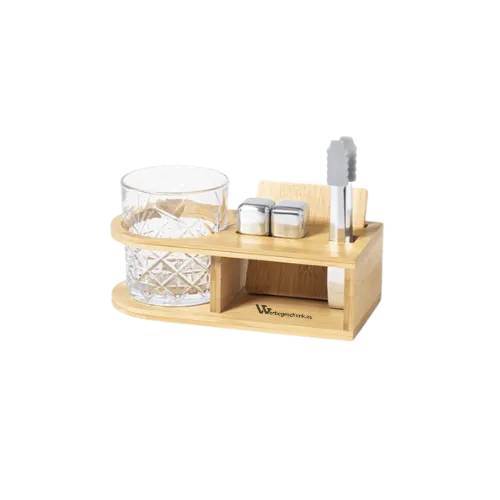
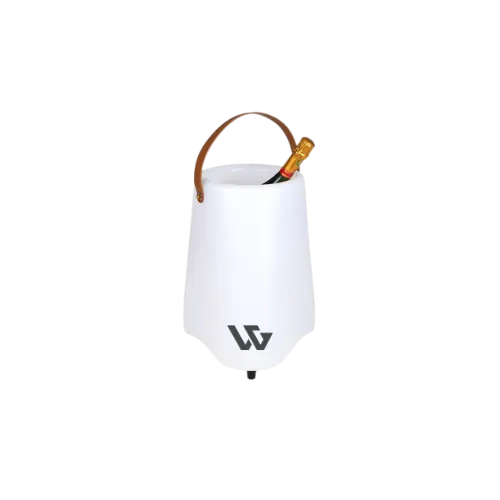
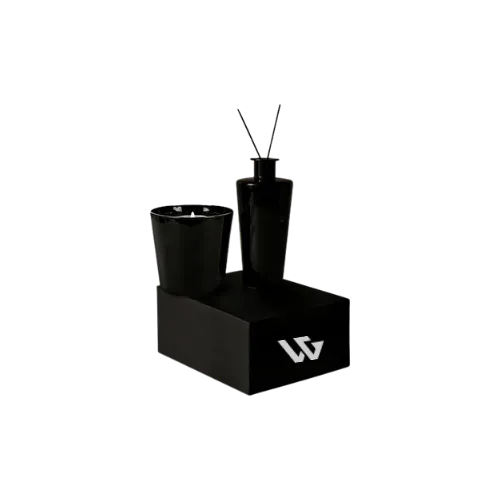
For the kitchen and dining area, consider branded glassware or custom coasters that facilitate hospitality and shared meals. For wellness and relaxation, scented candles or plush textiles associate your brand with comfort and downtime. Even outdoor-adjacent items like heavy-duty cooler bags or picnic sets extend your reach into the user's weekend adventures. By diversifying your home and living range, you ensure your brand is present for every chapter of the day—from the first morning coffee to the final evening wind-down. Integrating your brand into every "zone" of the home—from the kitchen to the workspace—moves it beyond a simple giveaway to become a permanent, conscious fixture in the user’s daily lifestyle.
Designed with Intent: Building a More Considered Home Experience
Creating impact within the home is rarely about selecting a single standout item — it’s about understanding how different pieces come together to support real, everyday living. This is where we guide our clients most closely. Drawing on experience across promotional homeware merchandise and branded household items, we help shape combinations that feel intuitive, relevant and built for long-term use.
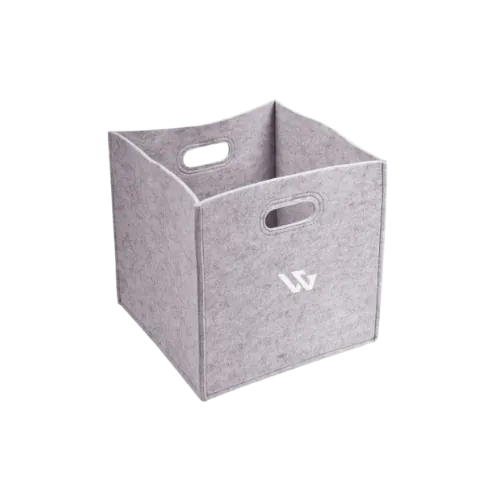
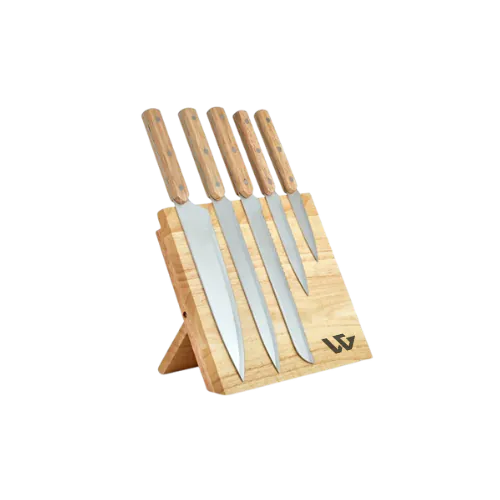
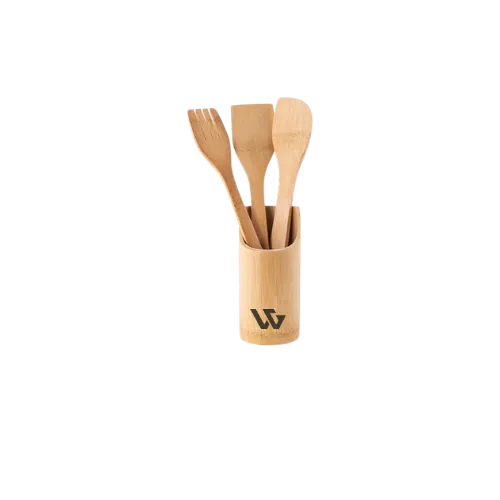
In practice, this means looking beyond individual products and considering how they function across the home. Kitchen utensils often form the starting point, naturally extending into tableware and wine or spirits accessories that shape shared, social moments. Storage space and home safety items introduce a layer of practicality, ensuring the products are not just used, but relied upon. Decorative elements bring in personality, while outdoor equipment and isothermal solutions expand usage beyond the home — into gardens, picnics and on-the-go routines. The goal is not to add more, but to align better. When each product has a clear role within the home, the overall experience feels seamless — and the brand becomes part of how people live, not just something they receive.

Werbegeschenk FAQ

Frequently Asked Questions
Home & living products are integrated into daily routines, which means they are used more consistently over time. Unlike items that are used occasionally, these products remain in the environment, creating repeated exposure and stronger familiarity.
Start with behaviour. Consider how your audience lives, what they use regularly, and which products would fit naturally into their routines. The closer the alignment, the higher the likelihood of long-term use.
In many cases, yes. Higher-quality products tend to be retained longer and used more frequently, which increases overall exposure and reinforces brand perception. The value is realised over time rather than at the point of distribution.
Absolutely. Homeware is increasingly used in employee onboarding, client gifting and lifestyle campaigns. It offers a more personal and considered alternative to traditional corporate merchandise.
Subtlety is key. Products used in personal spaces should feel comfortable and appropriate. Well-integrated branding tends to perform better than overt or highly visible logos.